Walnut Oil Uncovered: From Ancient Groves to Modern Wellness
Walnut Oil Uncovered: From Ancient Groves to Modern Wellness
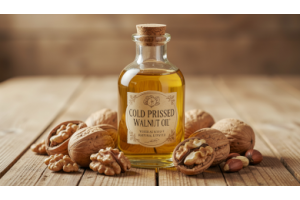
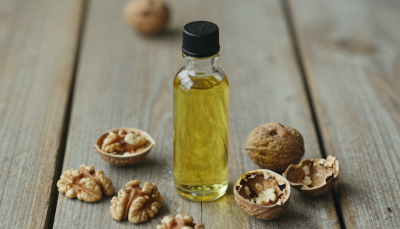
Walnut oil has been valued for centuries, pressed from carefully harvested walnuts and prized for its rich flavor and natural benefits. Traditionally produced in small batches, this golden oil carries a legacy rooted in ancient food cultures, where it was used for both nourishment and healing. Today, walnut oil is celebrated for its high content of omega-3 fatty acids, antioxidants, and vitamins that support heart health, skin care, and overall wellness. Its light, nutty taste makes it ideal for salad dressings, drizzling over cooked dishes, and natural beauty routines when used correctly. In regions like Hunza, where walnuts grow in clean mountain environments, walnut oil reflects a close connection between nature and daily life—but its appeal goes far beyond any single place. From historical kitchens to modern wellness practices, walnut oil remains a timeless, natural choice when used mindfully and in moderation.
Table Of Contents
- 1. Origins of Walnut Oil – From Ancient Groves to Mountain Traditions
- 2. A Brief History of Walnut Oil in Traditional Cultures
- 3. How Walnut Oil Is Made – Traditional vs Modern Extraction Methods
- 4. Nutritional Profile – What Makes Walnut Oil Unique
- 5. Health Benefits of Walnut Oil for Heart, Brain & Skin
- 6. Walnut Oil & Nature – A Sustainable, Plant-Based Wellness Oil
- 7. Daily Uses of Walnut Oil – Cooking, Skincare & Hair Care
- 8. Correct Usage Guide – How to Use Walnut Oil Safely & Effectively
- 9. Walnut Oil vs Other Oils – Olive, Almond, Coconut & Mustard
- 10. Possible Side Effects & Who Should Avoid Walnut Oil
- 11. Storage Tips – How to Keep Walnut Oil Fresh Longer
- 12. FAQs – Walnut Oil Uses, Benefits & Safety
1. Origins of Walnut Oil – From Ancient Groves to Mountain Traditions
Walnut oil originates from the simple yet time-honored practice of pressing mature walnuts to extract their rich, golden essence. Walnut trees have thrived for thousands of years across Europe, Central Asia, and parts of the Middle East, growing best in temperate climates with clean soil and fresh air. Early communities valued walnuts not only as a food source but also for the oil hidden within their kernels—an oil known for its smooth texture and nourishing qualities. In mountainous regions such as Hunza, walnuts grow slowly in natural conditions, allowing the oil to develop a deep aroma and balanced nutrient profile. Traditionally, the oil was extracted using gentle, low-heat methods to preserve its natural compounds. This connection between land, climate, and careful processing gave walnut oil a reputation as a pure, nature-driven product long before modern wellness trends emerged.
SHOP NOW Walnut Oil Cold Pressed - Seed Oil - 100% Pu & Natural - refined-250ml
2. A Brief History of Walnut Oil in Traditional Cultures
Throughout history, walnut oil has played a meaningful role in traditional cultures as both a culinary and healing ingredient. Ancient Greeks and Romans used walnut oil in food preparation, skin care, and even medicinal treatments, believing it supported digestion and vitality. In parts of Asia and the Middle East, it was applied to the skin and hair to protect against dryness and harsh weather. Folk remedies often recommended walnut oil for joint comfort, brain health, and strengthening the body during colder seasons. In rural and mountain communities, including areas like Hunza, walnut oil was produced in small quantities and used daily—drizzled over food, massaged into the skin, or consumed sparingly for energy and balance. Over time, scientific research began to support many of these traditional beliefs, confirming walnut oil’s richness in omega-3 fatty acids, antioxidants, and essential nutrients. This blend of ancestral knowledge and modern validation has helped walnut oil remain relevant across generations.
3. How Walnut Oil Is Made – Traditional vs Modern Extraction Methods
Walnut oil production varies greatly depending on whether traditional or modern extraction methods are used. Traditionally, dried walnuts were slowly crushed using stone presses or wooden tools, and the oil was extracted without heat. This cold, slow process produced small quantities but retained the oil’s natural aroma, nutrients, and deep golden color. Modern extraction methods, on the other hand, use mechanical presses and controlled temperatures to increase yield and consistency. While these methods make walnut oil more accessible, excessive heat or chemical refining can reduce nutritional value if not carefully managed. High-quality producers today often combine modern hygiene standards with cold-press techniques to preserve omega-3 fatty acids, antioxidants, and flavor. The key difference lies not in technology alone, but in how gently the oil is treated from walnut to bottle.
4. Nutritional Profile – What Makes Walnut Oil Unique
Walnut oil stands out nutritionally because of its exceptionally high content of polyunsaturated fats, especially alpha-linolenic acid (ALA), a plant-based omega-3 fatty acid linked to heart and brain health. Unlike many cooking oils that are dominated by omega-6 fats, walnut oil offers a more favorable fatty acid balance when used thoughtfully. It is also rich in antioxidant compounds, including polyphenols, which help combat oxidative stress and support cellular health. In addition, walnut oil contains vitamin E (gamma-tocopherol), a form known for its role in protecting cells from free radical damage and supporting skin health. What truly makes walnut oil unique is that these nutrients remain intact when the oil is cold-pressed, preserving its natural profile without chemical refinement. This combination of omega-3s, antioxidants, and fat-soluble vitamins gives walnut oil a nutritional identity that is distinct from more common oils like olive, sunflower, or canola.
5. Health Benefits of Walnut Oil for Heart, Brain & Skin
Walnut oil offers a powerful mix of nutrients that support overall wellness, especially heart, brain, and skin health. Its standout benefit comes from its high concentration of omega-3 fatty acids, which help reduce inflammation, support healthy cholesterol levels, and promote better blood circulation—key factors for a strong heart. For brain health, these essential fats play a role in maintaining cognitive function, memory, and focus, making walnut oil a smart addition to a balanced diet. When it comes to skin, walnut oil’s natural antioxidants and vitamin E help protect against environmental damage, improve skin elasticity, and support a healthy glow. Used both internally and externally, walnut oil nourishes the body at a cellular level, offering gentle yet effective support when consumed in moderation and applied correctly.
6. Walnut Oil & Nature – A Sustainable, Plant-Based Wellness Oil
Walnut oil is naturally plant-based and produced with minimal environmental impact when sourced responsibly. Walnut trees are long-living, require fewer chemical inputs, and contribute to soil health and biodiversity. In small farming regions, walnut oil production supports local livelihoods and preserves traditional agricultural knowledge. Its clean extraction process and biodegradable nature align well with sustainable living practices. As a result, walnut oil represents a natural connection between wellness, food, and environmental responsibility.
7. Daily Uses of Walnut Oil – Cooking, Skincare & Hair Care
Walnut oil is a versatile, everyday oil that fits easily into modern routines when used correctly. In the kitchen, its light texture and mild nutty flavor make it ideal for cold dishes, such as salad dressings, dips, and drizzling over cooked vegetables or grains. Because it has a low smoke point, it’s best avoided for high-heat frying. Beyond cooking, walnut oil is widely used in natural skincare thanks to its fast absorption and ability to support skin softness and elasticity. It’s also popular in hair care, where it helps nourish dry scalps, add shine, and reduce breakage. Whether used as a food oil or a beauty oil, moderation and proper application are key to getting the best results.
| Step | Use Area | Description |
|---|---|---|
| Step 1 | Salad Dressing | Drizzle walnut oil over fresh salads for a mild, nutty flavor and added nutrients. |
| Step 2 | Cold Dishes | Use it on cooked vegetables, pasta, or grains after cooking to preserve its benefits. |
| Step 3 | Skin Moisturizer | Apply a few drops to clean skin to support hydration and maintain softness. |
| Step 4 | Hair Care | Massage into the scalp or hair ends to add shine and reduce dryness. |
| Step 5 | Massage Oil | Warm slightly and use for gentle massage to relax muscles and nourish skin. |
| Step 6 | Daily Intake | Consume in small amounts, preferably raw, as part of a balanced diet. |
8. Correct Usage Guide – How to Use Walnut Oil Safely & Effectively
Walnut oil should be used with care to get its full benefits without unwanted effects. For cooking, it is best used cold or at low heat, such as in salad dressings, dips, or drizzled over finished meals, because high heat can damage its delicate fats. A small daily amount—about 1 to 2 teaspoons—is enough for nutritional benefits. When used on skin, walnut oil should be patch-tested first to avoid irritation, especially for sensitive skin; it works best as a night oil or mixed with lighter oils. For hair care, a few drops massaged into the scalp or applied to dry ends is sufficient—overuse can make hair greasy. People with nut allergies should avoid walnut oil entirely, and anyone with medical conditions should consult a professional before regular use. Stored properly in a cool, dark place, walnut oil stays fresh longer and remains safe and effective when used in moderation.
- Use walnut oil cold or at low heat, as high temperatures can destroy its nutrients
- Best used as a finishing oil for salads, dips, and cooked dishes rather than for frying
- Store walnut oil in a cool, dark place to prevent oxidation and bitterness
- Refrigeration is recommended after opening to extend shelf life
- Apply a small amount to skin or hair to avoid greasiness and irritation
- Always perform a patch test before using walnut oil on sensitive skin
- Consume in moderation, as walnut oil is calorie-dense despite its health benefits
- Avoid use if you have a known nut allergy or consult a healthcare professional first
9. Walnut Oil vs Other Oils – Olive, Almond, Coconut & Mustard
Walnut oil stands out among common cooking and wellness oils because of its exceptionally high omega-3 fatty acid content, which is higher than olive, almond, coconut, and mustard oils. Olive oil is well known for heart health and daily cooking, but it contains more omega-9 fats and fewer omega-3s than walnut oil. Almond oil is mild and nourishing for skin and hair, yet it lacks the same level of antioxidant power found in walnut oil. Coconut oil is rich in saturated fats, making it suitable for high-heat cooking, but it does not support heart health in the same way walnut oil does when used raw. Mustard oil offers antibacterial properties and a strong flavor, but its pungency limits its use for light dishes and skincare. Walnut oil, with its delicate nutty taste and nutrient density, is best used cold or as a finishing oil, making it a premium choice for those focused on brain health, skin nourishment, and natural wellness when used correctly.
10. Possible Side Effects & Who Should Avoid Walnut Oil
Walnut oil is generally safe and beneficial when used in moderation, but it may not suit everyone. People with tree nut allergies should avoid walnut oil completely, as even small amounts can trigger allergic reactions ranging from skin irritation to more serious symptoms. Due to its high calorie and fat content, excessive consumption may contribute to weight gain or digestive discomfort. Walnut oil is also heat-sensitive, so using it for high-temperature cooking can degrade its nutrients and may create unwanted compounds. Individuals with sensitive skin should perform a patch test before applying it topically, as it can occasionally cause redness or itching. Those on blood-thinning medications or with specific medical conditions should consult a healthcare professional before regular use. When used correctly, in small amounts and for the right purposes, walnut oil remains a safe and valuable addition to a balanced lifestyle.
11. Storage Tips – How to Keep Walnut Oil Fresh Longer
- Store walnut oil in a dark glass bottle to protect it from light damage
- Keep the bottle tightly sealed to prevent air exposure and oxidation
- Place walnut oil in a cool, dry location away from heat sources
- Refrigeration is recommended after opening to extend freshness
- Avoid storing walnut oil near the stove or direct sunlight
- Always use a clean, dry spoon to prevent contamination
- Check smell and taste regularly, as walnut oil can spoil faster than other oils
- Use within the recommended shelf life for best flavor and benefits
- Discard the oil if it develops a bitter smell or rancid taste
12. FAQs – Walnut Oil Uses, Benefits & Safety
1. Can walnut oil be used for everyday cooking?
Yes, walnut oil can be used daily, especially for cold dishes like salads, dips, and drizzling over cooked food. It’s best not to use it for high-heat cooking.
2. Is walnut oil good for heart health?
Walnut oil is rich in omega-3 fatty acids, which help support heart health by maintaining healthy cholesterol levels when used in moderation.
3. Can walnut oil be applied directly to skin?
Yes, walnut oil can be applied to the skin as a natural moisturizer. A patch test is recommended for sensitive skin.
4. Is walnut oil safe for hair care?
Walnut oil is often used to nourish the scalp and add shine to hair. It works best when used in small amounts as a massage oil.
5. Does walnut oil go bad quickly?
Because it is rich in healthy fats, walnut oil can turn rancid if not stored properly. Keeping it in a cool, dark place helps extend its freshness.
6. Can people with nut allergies use walnut oil?
No, people with nut allergies should avoid walnut oil unless advised otherwise by a healthcare professional.
7. Is cold-pressed walnut oil better than refined?
Cold-pressed walnut oil retains more natural nutrients and flavor, making it a preferred choice for health and wellness uses.
8. How much walnut oil should be consumed daily?
One to two teaspoons per day is generally enough to enjoy its benefits without overconsumption.
-
 Cold Pressed Walnut Oil 250ml – 100% Pure & Natural Refined Seed OilPKR 1,400.00 FREE SHIPPING IN PAKISTAN