Hunza Traditional Mulida (Hunza Style Sweet Dish)
Hunza Traditional Mulida (Hunza Style Sweet Dish)
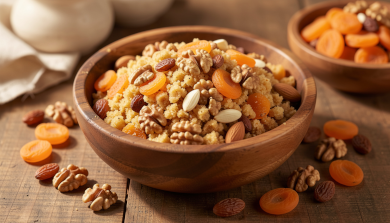
Hunza Traditional Mulida (Hunza Style Sweet Dish) is a wholesome and energy-rich dessert from the beautiful Hunza Valley, made with crushed chapati, pure desi ghee, natural honey or sugar, and premium Hunza dry fruits like walnuts, almonds, and dried apricots. This simple yet nourishing sweet dish has been prepared for generations, especially during winter and family gatherings, because it provides warmth, strength, and natural nutrition. With its rich taste and organic ingredients, Hunza Mulida reflects the traditional food culture and healthy lifestyle of the Hunza region.
Table Of Contents
- 1. Introduction – What is Hunza Traditional Mulida?
- 2. Key Ingredients – Organic Hunza Dry Fruits & Natural Sweeteners
- 3. Cultural Importance – Mulida in Hunza Traditions & Winter Gatherings
- 4. How to Make Hunza Style Sweet Mulida (Step-by-Step Recipe)
- 5. Health Benefits – Why Hunza Mulida is an Energy-Rich Dish
- 6. FAQs – Hunza Traditional Mulida (Hunza Style Sweet Dish)
1. Introduction – What is Hunza Traditional Mulida?
Hunza Traditional Mulida is a classic sweet dish from the Hunza Valley, made with crushed chapati (roti), pure desi ghee, natural honey or sugar, and premium Hunza dry fruits such as walnuts, almonds, and dried apricots. This simple yet nourishing recipe has been part of Hunza’s food culture for generations, especially during winter and special family gatherings. Known for its rich taste and high energy value, Hunza Style Sweet Mulida reflects the region’s organic ingredients, traditional cooking methods, and healthy lifestyle.
- Traditional Dish: Hunza Mulida is a classic sweet dish from Hunza Valley.
- Main Base: It is made from crushed chapati (roti).
- Natural Sweetener: Honey or sugar is used for sweetness.
- Healthy Fats: Pure desi ghee adds richness and energy.
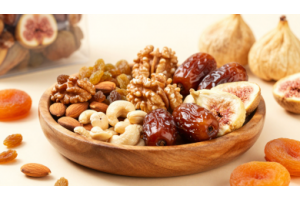
- Premium Dry Fruits: Walnuts, almonds, and dried apricots are commonly added.
- Winter Special: It is mostly prepared during the winter season.
- Energy-Rich Food: Provides warmth and strength to the body.
- Simple Recipe: Easy to prepare with basic ingredients.
- Cultural Importance: Served at family gatherings and traditional events.
- Organic Ingredients: Often made with natural and locally grown Hunza products.
Tip
For the best taste and authentic flavor of Hunza Traditional Mulida, always use freshly made chapati, pure desi ghee, and high-quality Hunza dry fruits like walnuts and dried apricots. Lightly roast the dry fruits before mixing to enhance their aroma and crunch. Serve the mulida warm, especially in winter, to enjoy its rich texture, natural sweetness, and energy-boosting benefits.
2. Key Ingredients – Organic Hunza Dry Fruits & Natural Sweeteners
The true flavor of Hunza Traditional Mulida comes from its simple yet powerful ingredients. Organic Hunza dry fruits such as walnuts, almonds, and sun-dried apricots add natural richness, crunch, and essential nutrients to this sweet dish. Pure desi ghee enhances the texture and provides warmth, while natural sweeteners like organic honey or traditional sugar give it a balanced sweetness without overpowering the taste. These locally sourced and minimally processed ingredients reflect the healthy lifestyle and clean food culture of the Hunza Valley.
- Walnuts: Rich in healthy fats and commonly grown in Hunza Valley.
- Almonds: Add crunch, protein, and natural nutrients to Mulida.
- Dried Apricots (Khubani): Provide natural sweetness and a fruity flavor.
- Desi Ghee: Enhances richness and gives warmth, especially in winter.
- Organic Honey or Sugar: Acts as a natural sweetener for balanced taste.
3. Cultural Importance – Mulida in Hunza Traditions & Winter Gatherings
Hunza Traditional Mulida is more than just a sweet dish; it holds deep cultural value in the Hunza Valley. For generations, families have prepared Mulida during winter months, special gatherings, and traditional celebrations as a symbol of warmth, hospitality, and togetherness. Because of its energy-rich ingredients like desi ghee and organic dry fruits, it is especially appreciated in cold weather, helping people stay strong and nourished. Serving Mulida reflects the simple living, community bonding, and natural food traditions that define Hunza’s unique cultural heritage.
- Winter Tradition: Mulida is commonly prepared during the cold season for warmth and energy.
- Family Gatherings: It is served at home during special family occasions.
- Symbol of Hospitality: Offering Mulida to guests reflects Hunza’s welcoming culture.
- Generational Recipe: The recipe is passed down from elders to younger generations.
- Community Bonding: Preparing and sharing Mulida strengthens social connections.
4.How to Make Hunza Style Sweet Mulida (Step-by-Step Recipe)
Here is a simple and authentic method to prepare Hunza Traditional Mulida at home using organic ingredients.
Ingredients:
- 2–3 fresh chapatis (roti)
- 3–4 tablespoons desi ghee
- 3 tablespoons honey or sugar (adjust to taste)
- 2 tablespoons chopped walnuts
- 2 tablespoons chopped almonds
- 2 tablespoons chopped dried apricots (Khubani)
- Optional: Raisins or crushed figs
5.Health Benefits – Why Hunza Mulida is an Energy-Rich Dish
Hunza Traditional Mulida is considered an energy-rich dish because it combines natural carbohydrates, healthy fats, and nutrient-dense dry fruits in one wholesome meal. Crushed chapati provides steady energy, while desi ghee offers warmth and healthy fats that support strength and endurance, especially during winter. Organic Hunza dry fruits like walnuts, almonds, and dried apricots add essential vitamins, minerals, fiber, and antioxidants that promote heart health and digestion. Sweetened naturally with honey or traditional sugar, Hunza Mulida delivers quick energy without relying on processed ingredients, making it a nourishing and balanced traditional food.
- High Energy Source: Chapati provides natural carbohydrates for steady energy.
- Healthy Fats: Desi ghee supports strength and keeps the body warm in winter.
- Rich in Nutrients: Walnuts and almonds supply vitamins, minerals, and protein.
- Good for Digestion: Dried apricots contain fiber that supports digestive health.
- Natural Sweetness: Honey offers quick energy without processed additives.
- Heart Support: Nuts contain healthy fats that may support heart health.
- Immunity Boost: Dry fruits provide antioxidants that help protect the body.
- Winter Strength: The combination of ghee and nuts helps maintain body warmth.
6. FAQs – Hunza Traditional Mulida (Hunza Style Sweet Dish)
1. What is Hunza Traditional Mulida?
Hunza Traditional Mulida is a classic sweet dish made from crushed chapati, desi ghee, honey or sugar, and organic Hunza dry fruits like walnuts, almonds, and dried apricots.
2. When is Mulida usually prepared in Hunza?
Mulida is commonly prepared during winter and special family gatherings because it provides warmth and natural energy.
3. What dry fruits are used in Hunza Mulida?
Walnuts, almonds, and sun-dried apricots (Khubani) are commonly used. Some people also add raisins or figs.
4. Is Hunza Mulida a healthy dish?
Yes, it is rich in natural carbohydrates, healthy fats, fiber, and essential nutrients from dry fruits, making it an energy-boosting traditional food.
5. Can Mulida be made without sugar?
Yes, you can use organic honey as a natural sweetener instead of refined sugar.
6. How long does Mulida stay fresh?
Mulida is best served fresh and warm, but it can be stored in an airtight container for 1–2 days at room temperature.
7. Is Mulida only made in Hunza?
While Mulida is popular in Hunza Valley, similar versions of this sweet dish are also prepared in other regions with slight variations.
8. Can I add other ingredients to Mulida?
Yes, you can customize it by adding coconut, cardamom powder, or extra dry fruits according to your taste.
9. Is Hunza Mulida suitable for children?
Yes, in moderate portions. It provides natural energy and nutrients from dry fruits and ghee.
10. Why is Hunza Mulida considered an energy-rich dish?
The combination of chapati, desi ghee, honey, and nutrient-rich dry fruits provides sustained energy and warmth, especially during cold weather.
-
 Pure Traditional Cold Pressed Apricot Oil (ایپریکوٹ آئل)PKR 1,200.00 FREE SHIPPING IN PAKISTAN
 -
 Cold Pressed Walnut Oil 250ml – 100% Pure & Natural Refined Seed OilPKR 1,400.00 FREE SHIPPING IN PAKISTAN
 -
 Sweet Almond Oil 250ml – 100% Pure Cold Pressed (میٹھا بادام کا تیل)PKR 1,600.00 FREE SHIPPING IN PAKISTAN
 -
 Sea Buckthorn Oil – 100% Pure & Natural | Benefits for Skin & Hair (سی بکتھورن کا تیل)PKR 1,800.00 FREE SHIPPING IN PAKISTAN
 -
 Hemp Oil (Cannabis Oil) – 100% Pure & Natural for Skin, Hair & Pain Relief ہیمپ آئل (کینابس آئل)PKR 1,800.00 FREE SHIPPING IN PAKISTAN