Traditional Food of Hunza: Chapshuro, Diram Phitti, Harissa, Gyal (Giyaling), Tumuro Chai, Apricot Soup, Khista (Khista Giyaling)
Traditional Food of Hunza: Chapshuro, Diram Phitti, Harissa, Gyal (Giyaling), Tumuro Chai, Apricot Soup, Khista (Khista Giyaling)
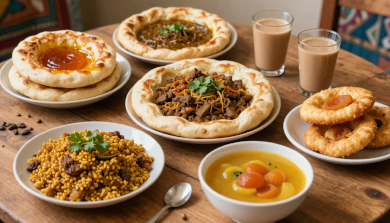
Hunza Valley is known for its simple, natural, and nutritious traditional food, deeply connected to local culture and mountain life. Hunza people rely on organic ingredients such as wheat, barley, buckwheat, apricots, dairy products, and meat. Famous dishes like Chapshuro, Diram Phitti, and Harissa reflect the region’s heritage and healthy lifestyle. Staples such as Gyal (Giyaling), Tumuro Chai, Apricot Soup, and Khista are prepared using traditional methods passed down through generations, making Hunza cuisine both wholesome and culturally rich.
Table Of Contents
- 1. Introduction – Traditional Food Culture of Hunza Valley
- 2. Chapshuro – Famous Meat-Filled Bread of Hunza
- 3. Diram Phitti – Traditional Wheat Bread with Apricot Oil
- 4. Harissa – Nutritious and Energy-Rich Hunza Dish
- 5. Gyal (Giyaling) – Classic Hunza Pancake-Style Bread
- 6. Tumuro Chai – Authentic Hunza Salty Butter Tea
- 7. Apricot Soup – Traditional Dish Made from Dried Apricots
- 8. Khista (Khista Giyaling) – Special Occasion Fried Bread
- 9. FAQs – Traditional Food of Hunza
1. Introduction – Traditional Food Culture of Hunza Valley
The traditional food culture of Hunza Valley is rooted in simplicity, natural ingredients, and time-honored cooking methods. Hunza people rely on locally grown wheat, barley, buckwheat, apricots, dairy products, and meat to prepare meals that are both nourishing and sustainable. Dishes such as Chapshuro, Diram Phitti, and Harissa reflect the valley’s mountain lifestyle and strong connection to nature. Staples like Gyal (Giyaling), Tumuro Chai, Apricot Soup, and Khista are prepared with minimal processing, making Hunza cuisine known for its purity, balance, and cultural significance.
- Hunza food culture is based on natural, organic, and locally grown ingredients.
- Staple foods include wheat, barley, buckwheat, apricots, dairy products, and meat.
- Chapshuro and Diram Phitti are important parts of daily traditional meals in Hunza.
- Harissa is famous for its high nutritional value and energy benefits.
- Gyal (Giyaling) is a common homemade bread prepared in many households.
- Tumuro Chai is a traditional salty butter tea, especially popular during cold weather.
- Apricot-based foods hold special importance in Hunza cuisine.
- Traditional cooking methods have been passed down through generations.
2. Chapshuro – Famous Meat-Filled Bread of Hunza
Chapshuro is one of the most famous traditional foods of Hunza Valley and is often described as a local meat-filled bread. It is prepared with thin dough stuffed with minced meat, onions, and simple spices, then baked or cooked on a hot surface. Chapshuro reflects the mountain lifestyle of Hunza, where meals are hearty, filling, and made from fresh local ingredients. This traditional dish is commonly enjoyed during family gatherings and is valued for its rich taste, nutrition, and cultural significance.
- Chapshuro is a famous traditional meat-filled bread of Hunza Valley.
- Ingredients include wheat flour, minced meat, onions, and simple local spices.
- Cooking method involves baking or pan-cooking until it becomes golden and crispy.
- High-energy food makes it ideal for cold weather and mountainous life.
- Filling meal helps keep you full for a long time.
- Natural preparation reflects Hunza’s simple and healthy food culture.
3. Diram Phitti – Traditional Wheat Bread with Apricot Oil
Diram Phitti is a traditional Hunza wheat bread known for its simplicity and nutritional value. It is made from locally grown wheat flour and cooked using apricot oil, which is a staple ingredient in Hunza Valley. This bread is commonly eaten for breakfast or as a daily meal and provides long-lasting energy. Diram Phitti reflects Hunza’s healthy lifestyle, where food is prepared using natural ingredients and traditional methods passed down through generations.
- Diram Phitti is a famous traditional wheat bread of Hunza Valley.
- Main ingredients include locally grown wheat flour and apricot oil.
- Apricot oil gives this bread a unique taste and added nutritional value.
- Daily staple food is commonly eaten for breakfast or regular meals.
- Long-lasting energy makes it essential for a mountainous lifestyle.
- Traditional preparation reflects Hunza’s healthy and natural food culture.
4. Harissa – Nutritious and Energy-Rich Hunza Dish
Harissa is a traditional and highly nutritious dish of Hunza Valley, prepared by slow-cooking wheat and meat for several hours. This long cooking process creates a thick, smooth texture and enhances its nutritional value. Harissa is especially popular during cold seasons because it provides warmth, strength, and long-lasting energy. This dish reflects Hunza’s food culture, where simple ingredients are transformed into wholesome meals through patience and traditional methods.
- Harissa is a traditional and highly nutritious dish of Hunza Valley.
- Main ingredients include wheat and meat.
- Slow-cooking process takes several hours, which improves both texture and nutritional value.
5. Gyal (Giyaling) – Classic Hunza Pancake-Style Bread
Gyal, also known as Giyaling, is a classic traditional bread of Hunza Valley that resembles a thick pancake. It is made using simple ingredients such as wheat or buckwheat flour and cooked on a flat pan with butter or apricot oil. Gyal is commonly eaten as a daily meal or breakfast and is valued for its soft texture and energy-giving qualities. This bread reflects Hunza’s traditional lifestyle, where food is prepared in a simple, wholesome, and nourishing way.
- Gyal (Giyaling) is a traditional pancake-style bread of Hunza Valley.
- Main ingredients include wheat or buckwheat flour.
- Cooking method involves cooking on a flat pan with butter or apricot oil.
- Soft texture with a lightly crisp taste is its main characteristic.
- Daily food is commonly eaten for breakfast or regular meals.
- Energy-giving bread makes it ideal for a mountainous lifestyle.
6. Tumuro Chai – Authentic Hunza Salty Butter Tea
Tumuro Chai is an authentic traditional tea of Hunza Valley, known for its unique salty taste and rich texture. It is prepared using tea leaves, salt, butter, and sometimes milk, making it very different from regular sweet tea. Tumuro Chai is especially popular in cold weather as it provides warmth, energy, and hydration. This tea is an important part of Hunza’s daily life and reflects the region’s traditional food culture and mountainous lifestyle.
- Tumuro Chai is an authentic traditional salty butter tea of Hunza Valley.
- Main ingredients include tea leaves, salt, butter, and sometimes milk.
- Salty taste makes it very different from regular sweet tea.
- Cold weather drink is mostly consumed during winter.
- Provides warmth, energy, and hydration, especially in mountainous areas.
- Part of daily life and reflects Hunza’s traditional food culture.
7. Apricot Soup – Traditional Dish Made from Dried Apricots
Apricot Soup is a traditional and nourishing dish of Hunza Valley, prepared using dried apricots, which are a staple local fruit. The soup has a mildly sweet and tangy flavor and is valued for its natural nutrients. Apricot Soup is commonly consumed during winter months and times of food scarcity, as dried apricots can be stored for long periods. This dish reflects Hunza’s sustainable food culture and strong connection to locally grown produce.
- Apricot Soup is a traditional and nourishing dish of Hunza Valley.
- Main ingredient is dried apricots, which are locally stored.
- Mildly sweet taste is a key characteristic of this soup.
- Winter food is commonly consumed during the cold season.
- Rich in nutrients provides energy and strength to the body.
- Sustainable food culture reflects Hunza’s natural and local lifestyle.
8. Khista (Khista Giyaling) – Special Occasion Fried Bread
Khista, also known as Khista Giyaling, is a traditional fried bread of Hunza Valley that is usually prepared on special occasions and celebrations. It is made from wheat flour dough and deep-fried until golden and crispy on the outside while remaining soft inside. Khista is often served with tea or sweet dishes and is valued for its rich taste and festive importance. This bread reflects the celebratory side of Hunza’s food culture and its tradition of sharing food during gatherings.
- Khista (Khista Giyaling) is a traditional fried bread of Hunza Valley.
- Special occasions and festivals are when it is commonly prepared.
- Main ingredient is wheat flour dough.
- Deep-fried preparation makes it crispy on the outside and soft on the inside.
- Rich taste is why it is often served with tea or sweet dishes.
- Cultural significance reflects Hunza’s hospitality and celebratory traditions.
9. FAQs – Traditional Food of Hunza
1. What is the most famous traditional food of Hunza?
Chapshuro is considered the most famous traditional food of Hunza, known for its meat-filled bread and rich taste.
2. Is Hunza food considered healthy?
Yes, Hunza food is considered very healthy because it is made from natural, organic, and locally sourced ingredients.
3. What ingredients are commonly used in Hunza cuisine?
Common ingredients include wheat, barley, buckwheat, dried apricots, dairy products, meat, butter, and apricot oil.
4. What is Diram Phitti made of?
Diram Phitti is made from wheat flour and cooked with apricot oil, giving it a unique taste and high nutritional value.
5. Why is Harissa popular in Hunza?
Harissa is popular because it is energy-rich, warming, and highly nutritious, making it ideal for Hunza’s cold climate.
6. What is Gyal (Giyaling)?
Gyal, also known as Giyaling, is a pancake-style traditional bread made from wheat or buckwheat flour.
7. What makes Tumuro Chai different from regular tea?
Tumuro Chai is a salty butter tea, unlike regular sweet tea, and is consumed for warmth and energy.
8. Why are apricots important in Hunza food?
Apricots are a staple food in Hunza and are used fresh, dried, or in soups because they are nutritious and easy to store.
9. When is Khista usually prepared?
Khista is usually prepared on special occasions, festivals, and family gatherings.
10. Is Hunza traditional food spicy?
No, Hunza traditional food is generally mild and lightly seasoned, focusing on natural flavors.
11. Do Hunza people still eat traditional food daily?
Yes, many Hunza households still rely on traditional foods for their daily meals.
12. Is Hunza food suitable for vegetarians?
Yes, many Hunza dishes like Diram Phitti, Gyal, and Apricot Soup are vegetarian-friendly.
13. What role does apricot oil play in Hunza cuisine?
Apricot oil is widely used for cooking and adds nutrition, flavor, and healthy fats to traditional dishes.
14. Why is Hunza food culturally important?
Hunza food reflects the region’s heritage, sustainability, and community lifestyle passed down through generations.
-
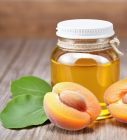 Pure Traditional Cold Pressed Apricot Oil (ایپریکوٹ آئل)PKR 1,200.00 FREE SHIPPING IN PAKISTAN
 -
 Cold Pressed Walnut Oil 250ml – 100% Pure & Natural Refined Seed OilPKR 1,400.00 FREE SHIPPING IN PAKISTAN
 -
 Natural Sunflower Seeds 500g – Raw & Fresh | قدرتی تازہ سورج مکھی کے بیجPKR 1,000.00 FREE SHIPPING IN PAKISTAN
 -
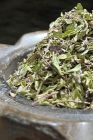 Tumuro Wild Thyme Tea – Organic Dried Leaves (Hunza Herbal Green Tea سبز چائے)PKR 499.00 FREE SHIPPING IN PAKISTAN
 -
 Dried Lemongrass Tea Leaves – Herbal Tea from Hunza Mountains (خشک لیمن گراس چائے کی پتیاں)PKR 300.00 FREE SHIPPING IN PAKISTAN