which shilajit to buy ? Himalayan Shilajit Black Gold vs Gilgit Baltistan Original Shilajit
which shilajit to buy ? Himalayan Shilajit Black Gold vs Gilgit Baltistan Original Shilajit
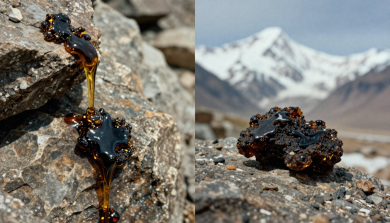
Shilajit is a natural, blackish resin that oozes from high mountain rocks and has been used for centuries in traditional wellness systems for energy, stamina, and overall vitality. The two popular types you’re considering — Himalayan Shilajit Black Gold and Gilgit Baltistan Original Shilajit — both come from the Himalayan region, but they differ in processing and traditional handling. Himalayan Shilajit Black Gold refers to a resin that has been sun-dried (Aftabi) — a slower, traditional purification method that many believe preserves more active compounds and delivers higher potency. This “black gold” style is often marketed as a premium, naturally processed form of shilajit. In contrast, Gilgit Baltistan Original Shilajit emphasizes its authentic origin from the Gilgit-Baltistan mountains, with sourcing transparency and purity from high altitudes, making it a classic and trusted regional shilajit choice. Authentic products from both types should be lab-tested for heavy metals and high fulvic-acid content, and it’s important to avoid cheap imitations that lack genuine mountain sourcing and testing
Table Of Contents
- 1. Introduction – Which Shilajit Should You Buy?
- 2. Himalayan Shilajit Black Gold – What Makes It Premium?
- 3. Gilgit Baltistan Original Shilajit – Source & Authenticity
- 4. Himalayan Black Gold vs Gilgit Baltistan Shilajit – Key Differences
- 5. How to Choose Pure & Original Shilajit
- 6.Conclusion
- 7. FAQs – Himalayan & Gilgit Baltistan Shilajit
1. Introduction – Which Shilajit Should You Buy?
Pure Himalayan Shilajit (Salajeet) at Best Price in Pakistan Shilajit is a potent, resin-like substance found in the rocks of high mountain ranges, long valued in traditional wellness systems for its energizing and rejuvenating properties. When choosing shilajit, quality, origin, and processing method make a big difference in effectiveness and purity. Two popular forms that often get compared are Himalayan Shilajit Black Gold and Gilgit Baltistan Original Shilajit — both sourced from the Himalayan region but differing in traditional processing, claimed potency, and how they’re marketed. In this guide, we’ll explore what sets each type apart, their benefits, and how to decide which shilajit is right for you based on authenticity, potency, and quality standards.
- Shilajit is a natural, mineral-rich resin found in high-altitude mountain rocks and traditionally used for energy, strength, and overall Shilajit Black Gold – What Makes It Premium?wellness.
- Choosing the right shilajit depends on its source, purity, and traditional processing method.
- Himalayan Shilajit Black Gold is known for its sun-dried (Aftabi) purification process and is often considered a premium, high-potency option.
- Gilgit Baltistan Original Shilajit is valued for its authentic mountain origin and traditional collection from the Gilgit-Baltistan region.
- This guide helps you understand the key differences so you can decide which shilajit is best for your needs.
2. Himalayan Shilajit Black Gold – What Makes It Premium?
Himalayan Shilajit Black Gold is considered a premium form of shilajit because of its traditional sun-drying (Aftabi) purification method, which preserves a higher concentration of active compounds like fulvic acid and trace minerals. Sourced from the high peaks of the Himalayas, this “black gold” is prized for its rich nutrient profile, deep resin texture, and potent bioavailability. Many users and traditional practitioners believe that this form delivers stronger benefits for stamina, energy, and overall wellness compared to more processed alternatives — but real quality always depends on genuine sourcing, proper testing, and absence of impurities.
- Himalayan Shilajit Black Gold is considered premium due to its traditional sun-dried (Aftabi) purification process.
- This slow drying method helps retain higher levels of fulvic acid, trace minerals, and natural compounds.
- Sourced from high Himalayan altitudes, it is valued for its purity, thick resin texture, and deep black color.
- Black Gold Shilajit is often preferred for improved energy, stamina, and overall vitality.
- True premium quality depends on authentic sourcing, lab testing, and absence of chemicals or fillers.
3. Gilgit Baltistan Original Shilajit – Source & Authenticity
Gilgit Baltistan Original Shilajit refers to natural shilajit harvested from the pristine high-altitude mountains of the Gilgit-Baltistan region. Known for its authentic regional origin, this form of shilajit is traditionally valued for its pure, unadulterated resin and trace mineral content. Sourced from remote rock faces and collected using age-old methods, it emphasizes genuine mountain provenance and minimal processing. Many users choose Gilgit Baltistan shilajit for its transparent sourcing story and the belief that true Himalayan mountain resin offers robust wellness benefits when properly purified and tested for quality.
- Gilgit Baltistan Original Shilajit is sourced from the untouched, high-altitude mountains of the Gilgit-Baltistan region.
- This region is known for its mineral-rich rocks and extreme climate, which contribute to naturally potent shilajit formation.
- Authentic Gilgit Baltistan shilajit is traditionally collected from mountain cracks and purified using age-old methods.
- Its originality is defined by natural resin texture, earthy aroma, and slow dissolution in warm water or milk.
- True authenticity depends on transparent sourcing, lab testing, and freedom from additives or artificial processing.
4. Himalayan Black Gold vs Gilgit Baltistan Shilajit – Key Differences
When choosing between Himalayan Black Gold and Gilgit Baltistan Original Shilajit, understanding their key differences can help you find the best option for your needs. While both come from the Himalayan region and share core benefits like energy support and nutrient richness, they differ in processing methods, traditional handling, and how purity is maintained. Himalayan Black Gold is known for its premium sun-dried purification, which many believe boosts potency, whereas Gilgit Baltistan Shilajit emphasizes authentic regional sourcing and traditional collection practices. This section highlights the main contrasts in origin, processing, texture, and claimed benefits, so you can make a more informed choice based on quality and intended use.
- Origin: Both come from the Himalayan region, but Gilgit Baltistan Shilajit highlights its specific regional source, while Black Gold is marketed as a premium Himalayan extract.
- Processing Method: Himalayan Black Gold is traditionally sun-dried (Aftabi), whereas Gilgit Baltistan Shilajit focuses on minimal, traditional purification.
- Texture & Color: Black Gold usually has a thicker, darker resin texture, while Gilgit Baltistan Shilajit may appear slightly lighter and softer.
- Purity Focus: Black Gold emphasizes enhanced potency through processing, while Gilgit Baltistan Shilajit emphasizes natural authenticity and origin.
- Buyer Preference: Choose Black Gold for premium processing and potency, or Gilgit Baltistan Shilajit for traditional sourcing and regional authenticity.
5. How to Choose Pure & Original Shilajit
Choosing pure and original shilajit is essential to get real benefits and avoid fake or contaminated products. With many options available in the market, it’s important to focus on authentic sourcing, traditional purification, and proper testing rather than marketing claims alone. Genuine shilajit should come from high-altitude mountain regions, have a resin-like texture, and be free from chemicals, fillers, or artificial additives. Understanding these basic quality markers helps you identify real shilajit and ensures you invest in a product that is safe, effective, and truly original.
| Quality Factor | Pure & Original Shilajit | Fake or Low-Quality Shilajit |
|---|---|---|
| Source | Collected from high-altitude Himalayan or Gilgit Baltistan mountains | Unknown or low-altitude sources |
| Texture | Sticky, resin-like, softens in warmth | Hard, powdery, or overly liquid |
| Color | Deep black or dark brown | Yellowish, grey, or artificial shine |
| Purification | Traditionally purified (sun-dried or water-filtered) | Chemically processed or unverified |
| Solubility | Dissolves completely in warm water or milk | Leaves residue or sediment |
| Lab Testing | Tested for heavy metals and purity | No testing or reports available |
6. Conclusion
Choosing between Himalayan Shilajit Black Gold and Gilgit Baltistan Original Shilajit depends on your personal priorities, such as potency, processing method, and authenticity of source.
- Himalayan Shilajit Black Gold is ideal for those who prefer premium sun-dried (Aftabi) purification, thicker resin texture, and a focus on higher potency and bioavailability.
- Gilgit Baltistan Original Shilajit is best for buyers who value authentic regional sourcing, minimal processing, and traditional collection methods from the Gilgit-Baltistan mountains.
Final Tip: No matter which option you choose, always ensure the shilajit is lab-tested for heavy metals, free from chemicals and fillers, and dissolves completely in warm water or milk. Focusing on quality and authenticity will help you get the real benefits of pure, original shilajit.
8. FAQs – How to Identify Real Leather in Bags, Wallets & Accessories
1. How can I tell if shilajit is pure and original?
Pure shilajit has a sticky, resin-like texture, dark black or brown color, and softens with warmth. It should dissolve fully in warm water or milk without leaving residue.
2. What is the main difference between Himalayan Black Gold and Gilgit Baltistan Shilajit?
Himalayan Black Gold focuses on premium sun-dried (Aftabi) purification, while Gilgit Baltistan Shilajit emphasizes authentic regional sourcing and traditional collection methods.
3. Does original shilajit have a distinct smell?
Yes. Genuine shilajit has a strong, earthy, mineral-like aroma. A chemical or artificial smell usually indicates fake or contaminated shilajit.
4. Can water testing help identify real shilajit?
Yes. Real shilajit dissolves completely in warm water or milk. Fake shilajit may float, leave residue, or fail to dissolve properly.
5. Is color a reliable sign of authentic shilajit?
Authentic shilajit is usually deep black or dark brown. Yellowish, grey, or shiny artificial-looking products are often low quality or fake.
6. Why is lab testing important when buying shilajit?
Lab testing ensures shilajit is free from heavy metals, toxins, and impurities. Always choose products with verified purity and safety reports.
7. Is price a good indicator of real shilajit?
Often, yes. Genuine shilajit is rare and requires careful collection and purification, so extremely cheap products are more likely to be fake or diluted.
8. Can fake shilajit look convincing?
Yes. Some fake shilajit mimics the appearance of real resin, which is why checking texture, solubility, smell, and lab reports is essential.
9. How should pure shilajit be stored?
Store shilajit in a cool, dry place away from direct sunlight. Keep the lid tightly closed to maintain freshness and potency.
10. Which shilajit should I choose for daily use?
If you prefer premium processing and higher potency, choose Himalayan Shilajit Black Gold. If you value authentic origin and traditional sourcing, Gilgit Baltistan Original Shilajit is a great choice.
-
 Pure Himalayan Shilajit (Salajeet)|خالص شیلاجیت| Best Shilajeet Price in PakistanPKR 3,500.00 FREE SHIPPING IN PAKISTAN
 -
 Pure Organic Honey 250g – Raw & Natural (خالص آرگینک شہد)PKR 1,000.00 FREE SHIPPING IN PAKISTAN
 -
 Dried Lemongrass Tea Leaves – Herbal Tea from Hunza Mountains (خشک لیمن گراس چائے کی پتیاں)PKR 300.00 FREE SHIPPING IN PAKISTAN
 -
 Tumuro Wild Thyme Tea – Organic Dried Leaves (Hunza Herbal Green Tea سبز چائے)PKR 499.00 FREE SHIPPING IN PAKISTAN
 -
 Natural Sunflower Seeds 500g – Raw & Fresh | قدرتی تازہ سورج مکھی کے بیجPKR 1,000.00 FREE SHIPPING IN PAKISTAN