Top 6 Natural Oils for Skin Benefits and How to Use Them
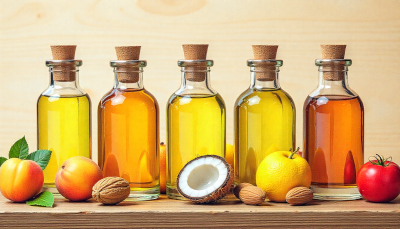
Top 6 Natural Oils for Skin Benefits and How to Use Them
Natural oils have been used for centuries to nourish, protect, and heal the skin. Rich in essential fatty acids, antioxidants, and vitamins, these oils help restore moisture, improve skin texture, and support a healthy glow—without harsh chemicals. Whether your goal is hydration, anti-aging, soothing sensitive skin, or repairing damage, the right natural oil can make a noticeable difference. In this guide, we explore the top 6 natural oils for skin benefits and explain how to use them correctly for maximum results. From lightweight daily oils to deeply nourishing treatments, each oil offers unique properties suited to different skin types and concerns. Used properly, natural oils can become a simple yet powerful part of your skincare routine.
Table Of Content
- 1. Introduction to Natural Oils for Skin Care
- 2. Why Natural Oils Are Good for Skin
- 3. Apricot Oil: Benefits & How to Use
- 4. Walnut Oil: Benefits & How to Use
- 5. Sea Buckthorn Oil: Benefits & How to Use
- 6. Coconut Oil: Benefits & How to Use
- 7. Almond Oil: Benefits & How to Use
- 8. Olive Oil: Benefits & How to Use
- 9. How to Use Natural Oils Safely on Skin
- 10. FAQs
1.Introduction to Natural Oils for Skin Care
Natural oils play a vital role in healthy skin care routines. Extracted from seeds, nuts, and fruits, these oils are rich in essential fatty acids, antioxidants, and vitamins that help nourish the skin, lock in moisture, and strengthen the skin barrier. Unlike synthetic products, natural oils work in harmony with the skin’s natural balance, making them suitable for daily use across different skin types. From reducing dryness and fine lines to soothing irritation and improving skin texture, natural oils offer targeted benefits with minimal ingredients. When chosen correctly and used properly, they can support glowing, resilient skin while avoiding unnecessary chemicals. This makes natural oils a simple, effective, and time-tested solution for maintaining healthy skin.
- Natural oils nourish the skin by providing essential fatty acids, vitamins, and antioxidants that support skin health.
- They help lock in moisture, preventing dryness and keeping the skin soft and smooth throughout the day.
- Natural oils strengthen the skin barrier, protecting it from environmental damage and irritation.
- They support anti-aging benefits by improving skin elasticity and reducing the appearance of fine lines.
- Gentle and chemical-free, natural oils work in harmony with the skin and suit most skin types.
2.Why Natural Oils Are Good for Skin
Simple daily habits play a big role in protecting leather bags and extending their lifespan. Always handle your bag with cleNatural oils are beneficial for the skin because they closely mimic the skin’s natural lipids, helping maintain balance and hydration. Packed with essential fatty acids, antioxidants, and fat-soluble vitamins, these oils nourish the skin deeply while supporting its protective barrier. This makes them especially effective for improving skin texture, reducing dryness, and calming irritation. Unlike many synthetic skincare products, natural oils are free from harsh chemicals and unnecessary additives. When used correctly, they help lock in moisture, protect against environmental stress, and promote a healthy, radiant complexion. Their versatility and gentle nature make natural oils a reliable choice for long-term skin care.
- Natural oils mimic skin’s natural lipids, helping maintain moisture balance and skin barrier health.
- They provide deep hydration by sealing in moisture and preventing water loss.
- Rich in vitamins and antioxidants, natural oils help protect skin from environmental damage.
- They soothe irritation and dryness, making them suitable for sensitive and damaged skin.
- Free from harsh chemicals, natural oils support healthy skin without clogging pores when used properly.
3. Apricot Oil: Benefits & How to Use
Apricot oil is a lightweight, fast-absorbing natural oil known for its gentle yet nourishing properties. Extracted from apricot kernels, it is rich in vitamins A and E, along with essential fatty acids that help soften the skin and improve overall texture. Its non-greasy feel makes it suitable for daily use, even on sensitive and dry skin types. This versatile oil supports hydration, enhances skin elasticity, and helps soothe irritation without clogging pores. When used correctly, apricot oiaturally radiant.
- Rich in vitamins A and E, which help nourish the skin and support repair.
- Soothes sensitive and irritated skin, making it ideal for delicate skin types.
- Lightweight and non-greasy, allowing quick absorption without clogging pores.
- Easy to use daily as a facial oil, body moisturizer, or gentle massage oil.
4. Walnut Oil: Benefits & How to Use
Walnut oil is a nutrient-rich natural oil known for its deep nourishing and protective properties. Extracted from walnuts, it is packed with omega-3 fatty acids, antioxidants, and vitamin E, which help strengthen the skin barrier and improve overall skin health. Its slightly rich texture makes it especially beneficial for dry, dull, and mature skin. This oil helps lock in moisture, supports skin repair, and protects against environmental stress. When used in moderation, walnut oil can be applied as a night treatment, body oil, or mixed with a moisturizer to enhance hydration and promote smoother, healthier-looking skin.
- Deeply nourishes the skin with omega-3 fatty acids that support skin repair.
- Strengthens the skin barrier, helping protect against moisture loss.
- Rich in antioxidants that help fight environmental stress and premature aging.
- Improves skin elasticity, making the skin look firmer and healthier.
- Helps reduce dryness and flakiness, especially in colder or dry climates.
- Supports skin regeneration, aiding in a smoother and more even texture.
- Best used as a night oil to allow deep absorption while you sleep.
- Can be mixed with a moisturizer to boost hydration without feeling heavy.
5.Sea Buckthorn Oil: Benefits & How to Use
Sea buckthorn oil is a powerful natural oil valued for its intense skin-repair and rejuvenating properties. Derived from the berries and seeds of the sea buckthorn plant, it is exceptionally rich in omega fatty acids, vitamins C and E, and antioxidants. These nutrients help support skin healing, improve elasticity, and restore a healthy glow. Known for its bright color and concentrated formula, sea buckthorn oil is especially effective for dry, damaged, and aging skin. When diluted or used in small amounts, it can be applied as a facial oil, spot treatment, or mixed into moisturizers to enhance hydration and promote smoother, healthier-looking skin.
- Promotes skin repair by supporting cell regeneration and healing.
- Rich in omega fatty acids that help maintain skin elasticity and strength.
- Boosts skin hydration, making dry and damaged skin feel softer.
- High in antioxidants that protect skin from environmental damage.
- Helps reduce signs of aging such as fine lines and dullness.
- Supports an even skin tone and natural radiance.
- Best used in small amounts due to its concentrated nature.
- Can be mixed with other oils or creams for safe daily use.
6.Coconut Oil: Benefits & How to Use
Coconut oil is one of the most popular natural oils used in skin care due to its deep moisturizing and protective qualities. Extracted from fresh coconut meat, it is rich in medium-chain fatty acids and antioxidants that help nourish the skin and prevent moisture loss. Its thick, creamy texture makes it especially beneficial for dry and rough skin. In addition to hydration, coconut oil helps soothe irritation and supports the skin’s natural barrier. When used correctly, it can be applied as a body moisturizer, makeup remover, or overnight treatment, leaving the skin soft, smooth, and well-nourished.
- Deeply moisturizes the skin by locking in hydration for long-lasting softness.
- Helps soothe dry and rough areas, especially elbows, knees, and heels.
- Supports the skin barrier, reducing moisture loss.
- Contains natural antioxidants that help protect skin from damage.
- Has antibacterial properties, which may help keep skin clean.
- Works well as a body oil rather than a facial oil for oily or acne-prone skin.
- Can be used as a makeup remover, gently cleansing the skin.
- Best applied on damp skin for better absorption and results.
7.Almond Oil: Benefits & How to Use
Almond oil is a gentle, nutrient-rich natural oil widely used for improving skin softness and overall appearance. Extracted from sweet almonds, it is packed with vitamin E, healthy fatty acids, and antioxidants that help nourish, protect, and hydrate the skin. Its light texture makes it suitable for daily use on most skin types, including sensitive skin. Regular use of almond oil helps improve skin tone, reduce dryness, and maintain smooth, healthy-looking skin. It can be applied directly as a facial or body oil, used during massage, or mixed with moisturizers to enhance hydration without feeling heavy.
- Deeply nourishes the skin with vitamin E and essential fatty acids.
- Improves skin softness and smoothness, making it ideal for daily care.
- Helps reduce dryness and itching, especially for sensitive skin.
- Supports an even skin tone and natural glow.
- Lightweight and fast-absorbing, leaving no greasy residue.
- Suitable for face and body use, including gentle massage.
- Can help soothe irritation caused by dryness or environmental factors.
- Works well when mixed with creams to boost moisture levels.
8.Olive Oil: Benefits & How to Use
Olive oil is a classic natural oil known for its deep moisturizing and antioxidant-rich properties. Extracted from olives, it contains vitamins E and K, polyphenols, and healthy fatty acids that help protect, nourish, and repair the skin. Its slightly heavier texture makes it ideal for dry, mature, or rough skin. Regular use of olive oil can help maintain skin hydration, improve elasticity, and soothe irritation. It can be applied directly as a body or facial oil, used in DIY masks, or mixed with moisturizers to enhance skin softness and support a radiant, healthy complexion.
- Deeply moisturizes the skin by locking in essential hydration.
- Rich in antioxidants, helping protect skin from environmental damage and premature aging.
- Contains vitamins E and K that support skin repair and nourishment.
- Improves skin elasticity, making the skin look firmer and healthier.
- Soothes dry and irritated skin, especially in sensitive areas.
- Can be used in DIY masks or mixed with creams for enhanced hydration.
- Suitable for face and body application depending on skin type.
- Supports a natural radiant glow with regular use.
9.How to Use Natural Oils Safely on Skin
Natural oils are powerful and effective, but using them correctly ensures maximum benefits without irritation or adverse effects. While most oils are gentle, their potency and individual skin reactions can vary, so safety and proper usage are key.
- Patch Test First: Before applying any oil to your face or body, test a small amount on your inner wrist or behind the ear. Wait 24 hours to check for any allergic reactions or irritation.
- Choose the Right Oil for Your Skin Type: Lightweight oils like apricot or almond oil are suitable for oily or sensitive skin, while richer oils like coconut or olive oil are ideal for dry or mature skin.
- Use Moderation: A few drops are usually enough. Overuse can clog pores, especially on the face.
- Apply on Damp Skin: Oils absorb better on slightly damp skin, helping lock in moisture.
- Avoid Eyes and Broken Skin: Be careful to keep oils away from eyes and open wounds unless specifically recommended for healing.
- Mix with Moisturizers if Needed: For lighter hydration or sensitive skin, oils can be blended with your favorite moisturizer or serum.
- Store Properly: Keep oils in a cool, dark place to preserve their nutrients and prevent oxidation.
- Follow a Consistent Routine: Using natural oils regularly and correctly helps maintain healthy, nourished, and glowing skin over time.
FAQs
1. How often should I use natural oils on my skin?
Most oils can be used daily, either in the morning or at night, depending on your skin type and the oil’s texture. Lighter oils are suitable for daily use, while richer oils may be best at night.
2. Can natural oils cause skin irritation?
Some oils may cause reactions in sensitive skin. Always perform a patch test before full application to check for any allergic or irritant response.
3. Are natural oils suitable for all skin types?
Yes, but choosing the right oil for your skin type is important. Lightweight oils like apricot and almond are ideal for oily or sensitive skin, while heavier oils like coconut and olive are better for dry skin.
4. Can natural oils help with aging skin?
Yes, oils rich in antioxidants and vitamins, such as sea buckthorn and walnut oil, can help improve elasticity, reduce fine lines, and protect skin from free radical damage.
5. Should I apply oils on wet or dry skin?
Applying oils on slightly damp skin helps lock in moisture and ensures better absorption, enhancing their hydrating effects.
6. Can I mix natural oils with other skincare products?
Yes, oils can be blended with moisturizers, serums, or masks for added hydration and nourishment, but always start with a small amount to avoid overloading the skin.
7. How should I store natural oils?
Keep oils in a cool, dark place, tightly sealed, to maintain their potency and prevent oxidation or rancidity.
-
 Pure Traditional Cold Pressed Apricot Oil (ایپریکوٹ آئل)PKR 1,200.00 FREE SHIPPING IN PAKISTAN
 -
 Cold Pressed Walnut Oil 250ml – 100% Pure & Natural Refined Seed OilPKR 1,400.00 FREE SHIPPING IN PAKISTAN
 -
 Sweet Almond Oil 250ml – 100% Pure Cold Pressed (میٹھا بادام کا تیل)PKR 1,600.00 FREE SHIPPING IN PAKISTAN
 -
 Sea Buckthorn Oil – 100% Pure & Natural | Benefits for Skin & Hair (سی بکتھورن کا تیل)PKR 1,800.00 FREE SHIPPING IN PAKISTAN
 -
 Hemp Oil (Cannabis Oil) – 100% Pure & Natural for Skin, Hair & Pain Relief ہیمپ آئل (کینابس آئل)PKR 1,800.00 FREE SHIPPING IN PAKISTAN