5 key spots to visit Hunza in 2026
5 key spots to visit Hunza in 2026
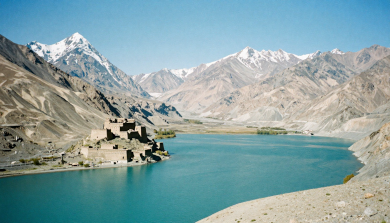
Hunza Valley continues to be one of Pakistan’s most breathtaking travel destinations, and in 2026 it stands out as a must-visit spot for nature lovers, photographers, and cultural explorers alike. Surrounded by snow-capped peaks, crystal-clear rivers, and centuries-old heritage, Hunza offers a perfect mix of adventure and serenity. From historic forts and scenic viewpoints to vibrant valleys and local traditions, the region promises unforgettable experiences in every season. Exploring the key spots of Hunza in 2026 means discovering timeless beauty, rich culture, and landscapes that leave a lasting impression.
Table Of Content
1. Introduction to Hunza Travel in 2026
Hunza Valley remains one of the most captivating travel destinations in Pakistan, and 2026 is an ideal time to experience its unmatched beauty and cultural richness. Known for its towering mountains, turquoise lakes, and welcoming communities, Hunza offers travelers a perfect balance of adventure and tranquility. With improved road access, better tourist facilities, and a growing focus on sustainable tourism, visiting Hunza in 2026 promises a smoother and more immersive travel experience. Whether you’re exploring ancient forts, hiking scenic trails, or simply enjoying the peaceful valley life, Hunza continues to inspire every visitor with its timeless charm.
- Baltit Fort – A historic fort offering panoramic views of Hunza Valley.
- Altit Fort – One of the oldest forts with beautiful royal gardens.
- Attabad Lake – Famous for its stunning turquoise water and boat rides.
- Passu Cones – Iconic sharp peaks and glacier viewpoints.
- Khunjerab Pass – The world’s highest paved international border crossing.
2. Baltit Fort – A Window Into Hunza’s Royal History
Baltit Fort stands as one of the most iconic landmarks of Hunza Valley, offering a deep insight into the region’s royal past and architectural heritage. Perched dramatically on a hilltop above Karimabad, the fort dates back over 700 years and once served as the residence of the Mir of Hunza. Its strategic location allowed rulers to monitor ancient trade routes that passed through the valley, making Baltit Fort both a royal home and a defensive stronghold. The fort’s unique construction reflects a blend of Tibetan, Central Asian, and local Hunza architectural styles, with wooden balconies, narrow corridors, and thick stone walls designed to withstand harsh mountain weather. Restored with the support of heritage conservation efforts, Baltit Fort now functions as a museum, preserving artifacts, weapons, royal attire, and everyday items that tell the story of Hunza’s former rulers and their way of life. Visiting Baltit Fort is more than a historical experience—it also rewards travelers with sweeping views of Hunza Valley, Rakaposhi, and surrounding peaks. In 2026, Baltit Fort remains a must-visit destination for those seeking culture, history, and breathtaking scenery, making it a true window into Hunza’s royal legacy.
- Historic Significance: Baltit Fort served as the royal residence of the Mir of Hunza for centuries.
- Strategic Location: Built on a hilltop, the fort overlooks ancient trade routes of the region.
- Unique Architecture: A blend of Tibetan, Central Asian, and local Hunza design elements.
- Restored Heritage: Carefully preserved and converted into a museum for visitors.
- Scenic Views: Offers panoramic views of Hunza Valley and surrounding mountains.
3. Altit Fort and Royal Gardens
Altit Fort and its Royal Gardens represent the oldest surviving heritage site in Hunza Valley, offering visitors a fascinating glimpse into the region’s early history and royal traditions. Located in the village of Altit, this centuries-old fort once served as the original seat of power for the rulers of Hunza before Baltit Fort was built. Its commanding position on a cliff above the Hunza River highlights the fort’s defensive importance and strategic value in ancient times. The fort has been carefully restored and preserved, allowing visitors to explore its narrow passageways, watchtowers, and living quarters while learning about the customs and governance of Hunza’s early rulers. Adjacent to the fort, the Royal Gardens—also known as Altit Khun—offer a peaceful contrast to the fort’s rugged structure. With terraced lawns, fruit trees, and shaded walkways, the gardens showcase traditional Hunza landscaping and provide stunning views of the surrounding mountains and villages. Together, Altit Fort and the Royal Gardens create a perfect blend of history, culture, and natural beauty. In 2026, they remain a must-visit destination for travelers seeking an authentic and serene experience that reflects the timeless charm of Hunza Valley.
- Oldest Fort in Hunza: Altit Fort is over 900 years old and the earliest seat of Hunza’s rulers.
- Cliffside Location: Built high above the Hunza River for defense and control of the valley.
- Restored Heritage Site: Carefully preserved to showcase Hunza’s early royal lifestyle.
- Royal Gardens (Altit Khun): Beautiful terraced gardens with fruit trees and shaded paths.
- Peaceful Atmosphere: A perfect blend of history, culture, and natural serenity.
4. Attabad Lake – Hunza’s Iconic Blue Wonder
Response 1 Attabad Lake is one of Hunza Valley’s most breathtaking natural attractions, famous for its striking turquoise-blue water and dramatic mountain backdrop. Formed in 2010 after a massive landslide blocked the Hunza River, the lake has since transformed into a symbol of beauty and resilience for the region. Stretching through the upper Hunza valley, its crystal-clear waters reflect surrounding peaks, creating a scene that feels almost unreal. Today, Attabad Lake is a hub for tourism and outdoor activities, offering boating, jet skiing, and lakeside relaxation for visitors. Colorful boats gliding across the water add to its visual charm, while nearby viewpoints provide perfect spots for photography. In 2026, Attabad Lake remains a must-visit destination for travelers exploring Hunza, combining natural wonder, adventure, and peaceful scenery in one unforgettable location.
- Stunning Blue Waters: Known for its crystal-clear, turquoise color that changes with the light.
- Scenic Mountain Backdrop: Surrounded by towering peaks and rugged landscapes.
- Popular Activities: Boating, jet skiing, photography, and lakeside relaxation.
- Year-Round Attraction: Equally beautiful in summer greenery and winter snow.
- Must-Visit in Hunza: A top highlight for travelers visiting Hunza in 2026.
5. Passu Cones and Glacier Viewpoints
Passu Cones, also known as Passu Cathedral Peaks, are among the most recognizable and dramatic mountain formations in Hunza Valley. Rising sharply into the sky with their pointed, jagged shapes, these iconic peaks create a surreal landscape that leaves a lasting impression on every traveler. Located near the village of Passu, the cones are surrounded by vast glaciers and wide valleys, offering some of the most scenic viewpoints in northern Pakistan. The nearby glacier viewpoints, including Passu Glacier and Batura Glacier, allow visitors to witness massive ice fields, deep crevasses, and flowing meltwater streams up close. In 2026, Passu Cones and their surrounding glacier landscapes remain a top destination for hikers, photographers, and adventure seekers looking to experience Hunza’s raw, untouched beauty. This area perfectly captures the grandeur of the Karakoram Mountains and the wild spirit of Hunza Valley.
- Iconic Peaks: Passu Cones are famous for their sharp, needle-like mountain formations.
- Glacier Views: Stunning viewpoints of Passu Glacier and Batura Glacier.
- Photography Hotspot: One of the most photographed locations in Hunza Valley.
- Easy Access: Located directly along the Karakoram Highway.
- Natural Serenity: A peaceful spot surrounded by towering mountains and open skies.
6. Khunjerab Pass – The Roof of the World
Khunjerab Pass is one of the most awe-inspiring destinations in Hunza and proudly holds the title of the world’s highest paved international border crossing. Sitting at an elevation of over 4,600 meters, it connects Pakistan with China via the legendary Karakoram Highway. Surrounded by vast plateaus, snow-covered peaks, and untouched wilderness, Khunjerab Pass offers a rare sense of standing at the edge of the world. Beyond its geographical importance, the pass is part of Khunjerab National Park, home to unique wildlife such as ibex, marmots, and the elusive snow leopard. The crisp mountain air, dramatic landscapes, and wide-open skies make the journey as unforgettable as the destination itself. In 2026, Khunjerab Pass remains a must-visit spot for travelers seeking raw natural beauty, high-altitude adventure, and a truly iconic Hunza experience.
- World’s Highest Border Crossing: Located at extreme altitude.
- Karakoram Highway: One of the most scenic roads on Earth.
- Khunjerab National Park: Home to rare wildlife like snow leopards.
- Cool Climate: Even in summer, temperatures remain low.
7. Travel Tips for Visiting Hunza in 2026
Traveling to Hunza in 2026 is more convenient than ever, but proper planning is still essential to enjoy the region fully. From weather conditions and road travel to cultural awareness and health precautions, being prepared ensures a safe and memorable journey. These travel tips will help you make the most of your Hunza experience.
| Travel Aspect | What to Know in 2026 |
|---|---|
| Best Time to Visit | April to October offers pleasant weather, clear roads, and stunning landscapes. |
| Road Conditions | Karakoram Highway is improved, but occasional landslides may still occur. |
| Accommodation | Book hotels and guesthouses in advance during peak travel season. |
| Health & Safety | Carry basic medicines and stay hydrated to avoid altitude discomfort. |
| Local Culture | Respect local traditions, dress modestly, and interact politely with locals. |
| Connectivity | Mobile signals are limited in remote areas; offline maps are recommended. |
8. FAQs
1. Why should I visit Hunza in 2026?
Hunza in 2026 offers improved travel infrastructure, breathtaking landscapes, and a peaceful environment ideal for nature and culture lovers.
2. What are the must-visit places in Hunza?
Top spots include Baltit Fort, Altit Fort and Royal Gardens, Attabad Lake, Passu Cones, and Khunjerab Pass.
3. Is Attabad Lake worth visiting?
Yes, Attabad Lake is famous for its deep blue water, boat rides, and dramatic mountain scenery.
4. What is the best time to visit Hunza?
The best time to visit Hunza is from April to October, when the weather is pleasant and roads are accessible.
5. Is Hunza safe for tourists?
Hunza is considered one of the safest regions for travelers, known for its friendly locals and peaceful atmosphere.
6. How many days are enough to explore Hunza?
Ideally, 5 to 7 days are enough to explore Hunza’s key attractions at a relaxed pace.
7. Can families visit Hunza with children?
Yes, Hunza is family-friendly and suitable for travelers of all ages.
8. Is Khunjerab Pass accessible year-round?
Khunjerab Pass is usually accessible from spring to autumn but may close in winter due to heavy snowfall.
9. Do I need special permits to visit Hunza?
No special permits are required for domestic tourists, while foreign travelers may need basic registration.
10. What makes Hunza different from other northern areas?
Hunza stands out for its rich history, iconic mountain views, clean environment, and unique cultural heritage.
-
 Pure Traditional Cold Pressed Apricot Oil (ایپریکوٹ آئل)PKR 1,200.00 FREE SHIPPING IN PAKISTAN
 -
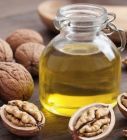 Cold Pressed Walnut Oil 250ml – 100% Pure & Natural Refined Seed OilPKR 1,400.00 FREE SHIPPING IN PAKISTAN
 -
 Sweet Almond Oil 250ml – 100% Pure Cold Pressed (میٹھا بادام کا تیل)PKR 1,600.00 FREE SHIPPING IN PAKISTAN
 -
 Organic Walnut Kernels – Raw, No Shell, Halves & Pieces (آرگینک اخروٹ گری)PKR 1,500.00 FREE SHIPPING IN PAKISTAN
 -
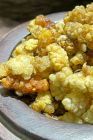 Sun-Dried Yellow Mulberries from Hunza – 100% Pure & Natural (دھوپ میں خشک کی گئی پیلی شہتوت)PKR 1,000.00 FREE SHIPPING IN PAKISTAN