Hunza Traditional Food: Healthy, Organic, and Mountain-Grown Diet
Hunza Traditional Food: Healthy, Organic, and Mountain-Grown Diet
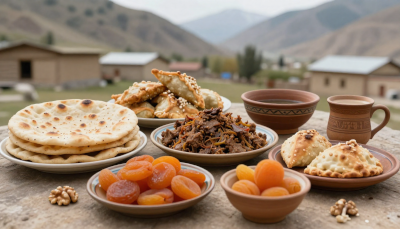
Hunza traditional food reflects a simple, organic, and nutrient-rich lifestyle shaped by the high mountains of the Hunza Valley. For centuries, locals have relied on fresh grains, seasonal vegetables, fruits, and natural fats to maintain strength, energy, and overall well-being. Free from processed ingredients and artificial additives, Hunza cuisine focuses on balance, freshness, and sustainability. This guide explores Hunza traditional food, its health benefits, and the most famous dishes enjoyed by the local community. From wholesome breads and warming soups to apricot-based meals and natural dairy products, Hunza food represents a timeless diet rooted in nature and cultural heritage.
Table Of Content
- 1. Introduction to Hunza Traditional Food
- 2. Why Hunza Traditional Food Is So Healthy
- 3. Diram Phitti: Hunza Traditional Bread
- 4. Chapshuro: Hunza Meat Pie
- 5. Giyaling: Traditional Apricot Soup
- 6. Kilaow: Hunzai Walnut Sweet
- 7. Churo: Dried Yogurt Snack
- 8. Butter Tea (Tumuro Chai)
- 9. How Hunza Traditional Food Supports Long Life
- 10. FAQs
1. Introduction to Hunza Traditional Food
Hunza traditional food is based on natural, locally grown ingredients that suit the harsh mountain climate. The diet mainly includes whole grains, fresh vegetables, seasonal fruits, nuts, and natural oils. Meat is eaten in moderation, while processed foods and refined sugar are rarely used. This food culture has been passed down through generations and is closely linked to the region’s reputation for active lifestyles and strong immunity. Hunza cuisine emphasizes simplicity, freshness, and mindful eating, making it one of the healthiest traditional diets.
- Uses organic and seasonal ingredients grown in the Hunza Valley.
- Focuses on whole grains and vegetables for daily energy.
- Low in processed foods, refined sugar, and artificial additives.
- Rich in natural fats like apricot and walnut oil.
- Supports balanced nutrition and long-term wellness.
2. Why Hunza Traditional Food Is So Healthy
Hunza traditional food is considered healthy because it provides essential nutrients without unnecessary ingredients. Meals are prepared using fresh produce, slow cooking methods, and minimal spices, allowing the natural flavors and nutrients to remain intact. This diet supports digestion, sustained energy levels, and overall vitality. By relying on plant-based foods and natural fats, Hunza cuisine promotes balance and moderation, which are key elements of a healthy lifestyle.
- High in fiber, supporting digestion and gut health.
- Natural antioxidants from fruits and vegetables help protect the body.
- Balanced use of fats supports heart and skin health.
- Low sugar intake helps maintain steady energy levels.
- Simple cooking methods preserve nutrients.
3. Diram Phitti: Hunza Traditional Bread
Diram Phitti is a traditional Hunza bread made from whole wheat or barley flour. It is usually cooked on a flat pan and served with butter, apricot oil, or walnut oil. This bread is filling, nutritious, and forms a staple part of daily meals. Rich in complex carbohydrates and fiber, Diram Phitti provides long-lasting energy, making it ideal for the physically demanding lifestyle of the region.
- Made from whole grains like wheat or barley.
- High in fiber for digestive health.
- Provides long-lasting energy.
- Traditionally eaten with natural oils.
4. Chapshuro: Hunza Meat Pie
Chapshuro is one of the most popular traditional foods of Hunza. It is a stuffed flatbread filled with minced meat, onions, and mild spices. Often called the “Hunza pizza,” it is both flavorful and nourishing. Chapshuro is usually prepared for special occasions and gatherings, offering a balanced mix of protein, carbohydrates, and healthy fats.
- Contains minced meat for protein.
- Cooked with mild spices for natural flavor.
- Filling and nutritious.
- Popular during celebrations.
5. Giyaling: Traditional Apricot Soup
Giyaling is a traditional Hunza soup made from dried apricots, flour, and water. It is lightly cooked and sometimes enriched with apricot oil. This dish is especially common in winter when fresh fruits are limited. Giyaling provides warmth, energy, and essential nutrients, reflecting the importance of apricots in Hunza food culture.
- Made from dried apricots.
- Rich in natural sugars for energy.
- Supports immunity during cold seasons.
- Simple and nourishing.
6. Kilaow: Hunzai Walnut Sweet
Kilaow is a traditional Hunzai sweet made by coating walnuts with thick fruit juice from grapes, apricots, or mulberries. It is often referred to as Hunzai chocolate due to its appearance and rich taste. This sweet is completely natural, free from refined sugar, and provides healthy fats and energy.
- Made with walnuts and natural fruit juice.
- No refined sugar.
- High in healthy fats.
- Traditional winter food.
7. Churo: Dried Yogurt Snack
Churo is a traditional dried yogurt product commonly consumed in Hunza. It is prepared by drying yogurt into hard pieces that can be eaten as snacks or added to soups. Churo is rich in protein and probiotics, supporting digestion and overall health.
- High in protein.
- Supports gut health.
- Long shelf life.
- Easy to store and consume.
8. Butter Tea (Tumuro Chai)
Butter tea, locally known as Tumuro Chai, is a traditional Hunza beverage made with tea leaves, salt, and butter. It is commonly consumed during cold weather to maintain body warmth and energy. This tea is filling and helps locals cope with harsh mountain climates.
- Provides warmth in cold weather.
- Contains healthy fats.
- Traditionally consumed in winter.
- Supports energy levels.
9. How Hunza Traditional Food Supports Long Life
Hunza traditional food supports long life by focusing on natural ingredients, moderation, and balanced nutrition. The diet avoids excess sugar, processed foods, and artificial additives, which helps maintain overall health.
- High nutrient density.
- Low processed food intake.
- Balanced plant-based diet.
- Supports active lifestyle.
FAQs
1. What is the main food of Hunza?
The main food of Hunza includes whole grains, vegetables, apricots, and natural oils.
2. Is Hunza food vegetarian?
Mostly plant-based, with meat consumed occasionally.
3. Why are apricots important in Hunza food?
Apricots provide energy, vitamins, and healthy oils essential for the Hunza diet.
4. Is Hunza food healthy?
Yes, it is natural, balanced, and free from processed ingredients.
-
 Pure Traditional Cold Pressed Apricot Oil (ایپریکوٹ آئل)PKR 1,200.00 FREE SHIPPING IN PAKISTAN
 -
 Cold Pressed Walnut Oil 250ml – 100% Pure & Natural Refined Seed OilPKR 1,400.00 FREE SHIPPING IN PAKISTAN
 -
 Sweet Almond Oil 250ml – 100% Pure Cold Pressed (میٹھا بادام کا تیل)PKR 1,600.00 FREE SHIPPING IN PAKISTAN
 -
 Sea Buckthorn Oil – 100% Pure & Natural | Benefits for Skin & Hair (سی بکتھورن کا تیل)PKR 1,800.00 FREE SHIPPING IN PAKISTAN
 -
 Hemp Oil (Cannabis Oil) – 100% Pure & Natural for Skin, Hair & Pain Relief ہیمپ آئل (کینابس آئل)PKR 1,800.00 FREE SHIPPING IN PAKISTAN