Women Empowerment in Hunza: Education, Independence, and Equality
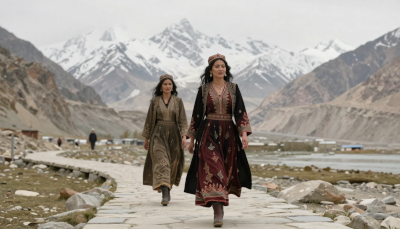
Women Empowerment in Hunza: Education, Independence, and Equality
Women empowerment in Hunza is a lived reality shaped by education, cultural respect, and community support. Women in the Hunza Valley actively participate in education, economic activities, decision-making, and social development. Unlike many traditional societies, Hunza women enjoy mobility, independence, and equal opportunities to grow and lead. This guide explores the status of women empowerment in Hunza, highlighting education, economic independence, leadership roles, and how Hunza women contribute to family and society. The Hunza Valley stands as a strong example of how empowerment can thrive through knowledge, respect, and opportunity.
Table Of Content
- 1. Introduction to Women Empowerment in Hunza
- 2. Why Hunza Women Are Considered Empowered
- 3. Education and Literacy Among Hunza Women
- 4. Economic Independence of Women in Hunza
- 5. Freedom of Movement and Social Participation
- 6. Role of Hunza Women in Leadership and Community
- 7. Decision-Making Power in Family Life
- 8. Cultural Support for Women Empowerment
- 9. How Women Empowerment Shapes Hunza Society
- 10. FAQs
1. Introduction to Women Empowerment in Hunza
Women empowerment in Hunza is deeply rooted in education, mutual respect, and progressive social values. Women are encouraged to study, work, and contribute actively to both family and community life. Empowerment in Hunza is not symbolic; it is practical and visible in everyday life. Over generations, Hunza society has prioritized equal access to education and opportunities, allowing women to develop confidence, independence, and leadership skills.
- High female literacy rates compared to many regions.
- Equal access to education for girls and boys.
- Active participation in social and economic life.
- Respect-based cultural values.
- Community support for women.
2. Why Hunza Women Are Considered Empowered
Hunza women are considered empowered because they enjoy autonomy, education, and social freedom. They take part in decision-making, manage finances, and contribute to household income. Their independence is supported by families and community institutions. This empowerment results in confident women who balance tradition with modern roles, strengthening both family structures and society.
- Freedom to choose education and careers.
- Participation in household decisions.
- Financial contribution and control.
- Social mobility and visibility.
- Respect within families and society.
3. Education and Literacy Among Hunza Women
Education is the foundation of women empowerment in Hunza. Girls are encouraged to complete secondary and higher education, and many pursue professional careers in teaching, healthcare, and administration. Education has enabled Hunza women to become informed, independent, and confident contributors to society.
- High female enrollment in schools.
- Strong emphasis on higher education.
- Women professionals across sectors.
- Education seen as essential, not optional.
4. Economic Independence of Women in Hunza
Women in Hunza actively participate in economic activities such as agriculture, handicrafts, education, tourism, and small businesses. Many women earn independently and manage their own income. Economic independence strengthens women’s confidence and decision-making power within households.
- Income generation through local businesses.
- Participation in tourism and education.
- Financial contribution to households.
- Control over personal earnings.
5. Freedom of Movement and Social Participation
Hunza women enjoy freedom of movement within and outside the valley. They travel for education, work, and social activities without restriction, which reflects societal trust and respect. Women’s presence in public spaces is normal and accepted.
- Free movement for education and work.
- Active participation in public life.
- Social visibility and confidence.
- Community acceptance.
6. Role of Hunza Women in Leadership and Community
Hunza women actively contribute to leadership and community development. They work with local organizations, schools, health initiatives, and social welfare programs. Women play a key role in shaping progressive community policies.
- Leadership roles in local organizations.
- Involvement in education and health programs.
- Community decision-making.
- Positive role models for young girls.
7. Decision-Making Power in Family Life
Women in Hunza are equal partners in family decision-making. They contribute to choices regarding education, finances, and household management. Marriage decisions are generally mutual, and early or forced marriages are rare.
- Shared household decisions.
- Respect for women’s opinions.
- Mutual consent in marriage.
- Strong family partnerships.
8. Cultural Support for Women Empowerment
Hunza culture strongly supports gender respect and education. Cultural and social values emphasize dignity, equality, and responsibility rather than restriction. This cultural environment allows women to thrive without social pressure.
- Culture promotes education.
- Respect-based gender roles.
- Community encouragement.
- Balanced tradition and progress.
9. How Women Empowerment Shapes Hunza Society
Women empowerment has played a major role in shaping Hunza’s progressive and educated society. Empowered women contribute to strong families, educated children, and sustainable community development.
- Improved education outcomes.
- Stronger family structures.
- Economic growth.
- Social stability and progress.
FAQs
1. Are women in Hunza independent?
Yes, women in Hunza are highly independent in education, work, and decision-making.
2. Do Hunza women work outside the home?
Yes, many women work in education, healthcare, tourism, and small businesses.
3. Is female education common in Hunza?
Yes, education for girls is highly encouraged and widely supported.
4. Why is Hunza known for women empowerment?
Because of high literacy, cultural respect, economic participation, and social freedom.