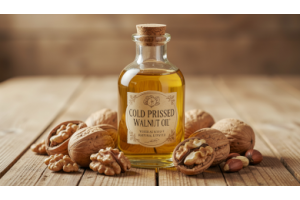
Introduction to Leather Distressing
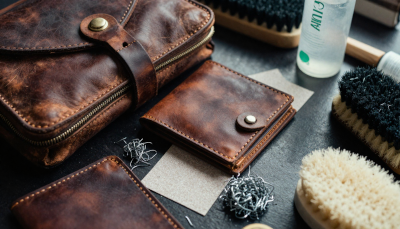
Introduction to Leather Distressing
Leather distressing is the art of giving leather items a worn, vintage, or aged appearance while maintaining their durability. This process enhances the natural character of the leather, creating unique textures, creases, and color variations that make each piece one-of-a-kind. Distressing is popular for items like jackets, bags, wallets, shoes, and furniture, as it adds personality and a stylish, lived-in look. Whether you’re aiming for subtle aging or bold, rugged textures, understanding the techniques and tools for distressing leather is key to achieving professional results without damaging the material.
Table Of Contents
1. Introduction to Leather Distressing
Leather distressing is the process of giving leather a naturally aged, worn, or vintage look while keeping it durable and flexible. This technique enhances the leather’s character, creating unique textures, creases, and subtle color variations. Distressed leather is popular for jackets, bags, wallets, shoes, and furniture, as it adds personality and a stylish, lived-in feel. Understanding the basic methods and tools ensures you can achieve professional-looking results without damaging your leather items.
- Leather distressing gives items a naturally aged, vintage look while keeping them durable.
- It enhances the leather’s character with unique textures, creases, and color variations.
- Distressed leather adds personality and a stylish, lived-in feel to any item.
- This technique works on jackets, bags, wallets, shoes, and furniture.
- Proper methods ensure a professional-looking finish without damaging the leather.
Tip
When distressing leather, always test your method on a small, hidden area first. Use gentle tools and gradual techniques to achieve a natural, worn look without damaging the leather. Regular conditioning afterward keeps the leather soft, flexible, and long-lasting.
2. Tools and Materials Needed
Having the right tools and materials is essential for effective leather distressing. These items help you create a natural aged look while keeping the leather intact and durable.
- Sandpaper (medium and fine grit) for scuffing and scratches.
- Steel wool or soft wire brush to create texture.
- Leather conditioner or oil to maintain softness and prevent cracking.
- Cloth or sponge for cleaning and applying products.
- Optional: Hammer or textured tools for creative distressing patterns.
3. Preparing Leather for Distressing
Proper preparation ensures a successful distressing process. Clean the leather surface using a soft, damp cloth or mild leather cleaner to remove dust, oils, and dirt. Let it dry completely before starting. Prepping prevents accidental damage and ensures your techniques work effectively.
4. Distressing Techniques
There are several techniques to give leather a worn, vintage look. Using these methods correctly creates a natural, professional finish.
| Technique | Effect on Leather |
|---|---|
| Scratching & Scuffing | Creates subtle marks and natural worn appearance. |
| Bending & Folding | Forms creases and softens leather for a vintage feel. |
| Hammering & Stamping | Adds textured patterns and unique character. |
| Dye & Color Aging | Enhances color depth and gives an antique effect. |
5. Conditioning and Maintaining Leather
After distressing, apply a leather conditioner or oil to keep the leather soft and flexible. Buff with a soft cloth to enhance the shine and texture. Regular care prevents cracks, maintains durability, and ensures the distressed leather develops a rich, attractive patina over time.
6. Distressed Leather Projects
- Leather jackets with natural creases and worn edges.
- Bags and wallets with unique scuffs and color variations.
- Shoes and boots with vintage-style texture and patina.
- Furniture accents like chairs or ottomans with rugged charm.
7. FAQs
1. What is leather distressing?
Leather distressing is the process of making leather appear aged, worn, or vintage while maintaining durability.
2. Can I distress all types of leather?
Full-grain and top-grain leathers work best. Coated or synthetic leathers may crack or peel.
3. What tools are safest for distressing?
Sandpaper, steel wool, soft brushes, and textured tools are commonly used. Start gently to avoid damage.
4. How do I maintain distressed leather?
Clean gently, condition regularly, avoid direct sunlight, and protect from moisture to preserve flexibility and patina.
5. Can distressed leather be restored?
Minor wear can be maintained with conditioning, but heavily damaged leather may require professional restoration.
-
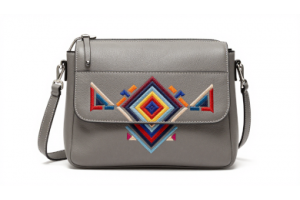
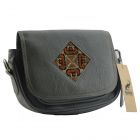 Cross shoulder leather bag, hand stitched embroidery, bag, handbag, charcoalPKR 3,500.00 FREE SHIPPING IN PAKISTAN
 -
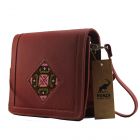 Handmade Flower Embroidered Crossbody Shoulder BagPKR 6,500.00 FREE SHIPPING IN PAKISTAN
 -
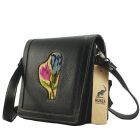 Handmade Flower Embroidered Small Crossbody Bag – BlackPKR 6,500.00 FREE SHIPPING IN PAKISTAN
 -
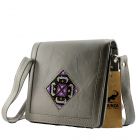 Handmade Flower Embroidery Crossbody Shoulder Bag GrayPKR 6,500.00 FREE SHIPPING IN PAKISTAN
 -
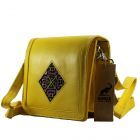 Trendy Yellow Handmade Flower Crossbody BagPKR 6,500.00 FREE SHIPPING IN PAKISTAN