Introduction to Bovine and Yak Leather – What It Is and Why It’s Popular
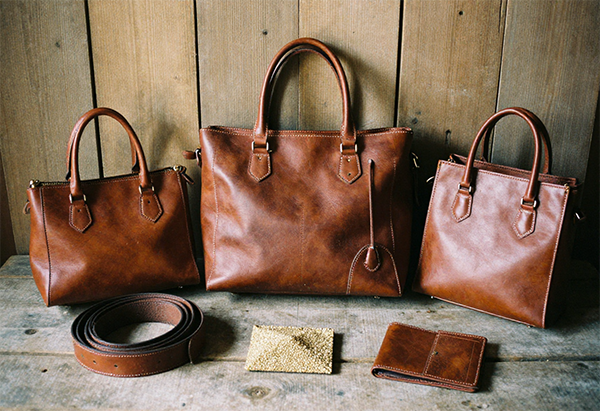
Introduction to Bovine and Yak Leather – What It Is and Why It’s Popular
Bovine and yak leather are versatile and durable types of leather made from the hides of cattle and yaks, known for their strength, flexibility, and natural grain patterns. Adding a touch of Hunza’s artisanal craftsmanship, these leathers reflect the region’s tradition of meticulous handwork and attention to detail. Bovine leather is celebrated for its durability and smooth texture, while yak leather is prized for its toughness, resilience, and unique rustic appeal. Together, they are ideal for high-quality handbags, wallets, belts, footwear, and furniture. Both types of leather age gracefully, developing a distinct patina over time, making each piece not only functional but also a timeless statement of authenticity and premium craftsmanship.
Table Of Content
What is Bovine & Yak Leather?
Bovine and yak leather are natural, durable leathers sourced from the hides of cattle and yaks. Bovine leather is widely known for its smooth texture, strength, and versatility, making it a popular choice for fashion accessories, furniture, and everyday items. Yak leather, on the other hand, is thicker, more resilient, and has a unique rustic appearance, prized for its toughness and natural grain patterns. When crafted with a touch of Hunza artisanal expertise, both types of leather reflect meticulous handwork and attention to detail, resulting in products that are not only functional but also showcase premium craftsmanship and timeless appeal.
A Touch of Hunza Craftsmanship
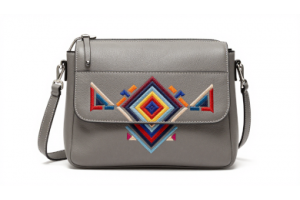
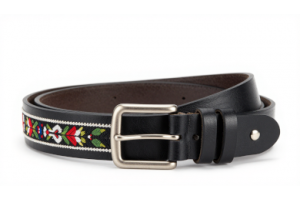
The Hunza region is renowned for its rich tradition of artisanal craftsmanship, and this legacy is beautifully reflected in leather products made from bovine and yak hides. Each piece is carefully hand-stitched and finished, combining traditional techniques with modern design sensibilities. This meticulous attention to detail ensures not only superior quality and durability but also a unique aesthetic that tells a story of heritage and authenticity. By incorporating a touch of Hunza craftsmanship, leather products gain a distinct character, making every item a timeless piece that blends functionality with cultural artistry.
- Hand-Stitched Details: Each piece is carefully stitched by skilled artisans for durability and precision.
- Traditional Techniques: Combines generations-old Hunza methods with modern leatherworking practices.
- High-Quality Finishes: Ensures a smooth, polished look while retaining natural grain patterns.
- Unique Character: Every product develops a distinct patina over time, reflecting authenticity and heritage.
- Functional Artistry: Blends practical use with cultural artistry, making each item a timeless piece.
Types of Bovine and Yak Leather
Bovine and yak leather come in various types, each offering distinct qualities and uses. Full-grain leather is the highest quality, retaining the natural grain and providing exceptional durability and a luxurious look. Top-grain leather is slightly sanded or polished to remove imperfections while maintaining strength and flexibility, making it ideal for fashion accessories. Corrected-grain leather is treated and embossed to create a uniform appearance, offering an affordable yet attractive option. Split leather, derived from the lower layers of the hide, is softer and often used for suede or bonded leather products. Yak leather, in particular, is thicker and more resilient, prized for its rugged texture and natural markings, making it perfect for durable goods such as bags, belts, and outdoor gear. Understanding these types helps in choosing the right leather for both style and functionality.
| Leather Type | Characteristics | Best Use |
|---|---|---|
| Full-Grain Bovine | Durable, retains natural grain, develops patina over time | High-quality handbags, wallets, belts |
| Top-Grain Bovine | Slightly sanded, smooth and uniform texture, strong and flexible | Fashion accessories, jackets, shoes |
| Corrected-Grain Bovine | Embossed to remove imperfections, more affordable | Budget-friendly bags, belts, furniture |
| Split Leather | Soft, made from lower layers, often used for suede | Suede products, bonded leather items |
| Yak Leather | Thicker, resilient, rugged texture with natural markings | Durable bags, belts, outdoor gear, heavy-duty footwear |
Common Uses of Bovine & Yak Leather
Bovine and yak leather are highly versatile and find applications across fashion, lifestyle, and functional products. Bovine leather is widely used for handbags, wallets, belts, jackets, shoes, and furniture due to its smooth texture, durability, and elegant appearance. Yak leather, known for its ruggedness and resilience, is ideal for heavy-duty items such as backpacks, outdoor gear, work belts, and durable footwear. Both types of leather are also favored in artisanal and handcrafted products, especially when paired with Hunza-inspired craftsmanship, as they combine functionality with aesthetic appeal. Their adaptability, strength, and timeless quality make them a preferred choice for both everyday use and premium products.
Durability and Strength
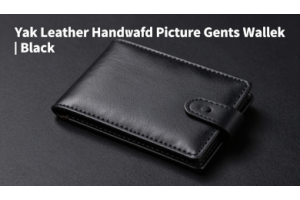
One of the key reasons bovine and yak leather are highly valued is their exceptional durability and strength. Bovine leather offers a strong yet flexible material that withstands daily wear, making it perfect for handbags, belts, shoes, and furniture. Yak leather, thicker and tougher, provides remarkable resilience, ideal for heavy-duty items like backpacks, work gear, and outdoor accessories. Both types of leather are naturally resistant to stretching and tearing, and with proper care, they can last for decades. This combination of strength and longevity ensures that products made from bovine and yak leather are not only practical but also a long-term investment in quality craftsmanship.
Aging Gracefully – Patina Over Time
One of the most charming features of bovine and yak leather is their ability to age gracefully, developing a unique patina over time. As these leathers are used and exposed to light, air, and natural oils from the skin, they gradually change in color and texture, creating a rich, distinctive character. Full-grain bovine leather develops a smooth, glossy finish, while yak leather acquires a rugged, rustic appeal that highlights its natural markings. This aging process not only enhances the aesthetic beauty of the leather but also tells a story of authenticity, usage, and craftsmanship, making each piece truly one-of-a-kind.
Conclusion
Bovine and yak leather are timeless materials that combine durability, strength, and natural beauty, making them ideal for a wide range of products. When crafted with a touch of Hunza artisanal expertise, these leathers not only serve functional purposes but also reflect authentic craftsmanship and heritage. From handbags and wallets to outdoor gear and furniture, their versatility and ability to age gracefully with a unique patina make them a lasting investment. Understanding the types, characteristics, and care of bovine and yak leather ensures that each piece remains both beautiful and resilient, allowing you to enjoy high-quality leather products for years to come.
FAQs – Bovine & Yak Leather
1. What is the difference between bovine and yak leather?
Bovine leather is smooth, flexible, and widely used for fashion and furniture, while yak leather is thicker, more resilient, and ideal for heavy-duty items with a rugged appearance.
2. Why is Hunza craftsmanship important in leather products?
Hunza craftsmanship ensures meticulous handwork, attention to detail, and superior finishing, adding authenticity and premium quality to leather products.
3. How do I care for bovine and yak leather?
Regular cleaning, conditioning, and avoiding prolonged exposure to water or direct sunlight help maintain the leather’s texture, color, and durability.
4. Can bovine and yak leather develop a patina?
Yes, both types of leather age gracefully and develop a unique patina over time, enhancing their aesthetic appeal and character.
5. Are bovine and yak leather suitable for outdoor use?
Yak leather is ideal for heavy-duty and outdoor gear due to its toughness, while bovine leather is better for everyday items but can handle moderate outdoor use if cared for properly.
6. How can I tell if the leather is high-quality?
High-quality leather is soft yet firm, retains natural grain patterns, smells natural, and shows minimal artificial treatment or imperfections.
7. Can I combine bovine and yak leather in one product?
Yes, combining them allows designers to balance strength, flexibility, and aesthetics, creating durable and visually appealing items.
8. How should I store bovine and yak leather items?
Store in a cool, dry place away from direct sunlight. Use dust bags or breathable covers to prevent scratches and maintain quality.
9. Is yak leather more expensive than bovine leather?
Generally, yak leather can be more expensive due to its durability, thickness, and limited availability compared to standard bovine leather.
10. Can regular maintenance extend the life of leather products?
Yes, regular cleaning, conditioning, and proper storage help preserve the leather’s durability, appearance, and longevity.
-
 Cross shoulder leather bag, hand stitched embroidery, bag, handbag, charcoalPKR 3,500.00 FREE SHIPPING IN PAKISTAN
 -
 Handmade Flower Embroidered Crossbody Shoulder BagPKR 6,500.00 FREE SHIPPING IN PAKISTAN
 -
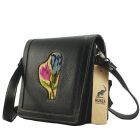 Handmade Flower Embroidered Small Crossbody Bag – BlackPKR 6,500.00 FREE SHIPPING IN PAKISTAN
 -
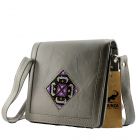 Handmade Flower Embroidery Crossbody Shoulder Bag GrayPKR 6,500.00 FREE SHIPPING IN PAKISTAN
 -
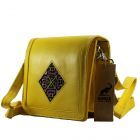 Trendy Yellow Handmade Flower Crossbody BagPKR 6,500.00 FREE SHIPPING IN PAKISTAN