Best Leather Types for Bags: A Complete Buyer’s Guide
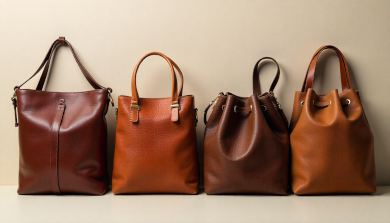
Best Leather Types for Bags: A Complete Buyer’s Guide
Choosing the right leather is key to finding a bag that lasts and looks good over time. Different leather types vary in strength, feel, and maintenance needs. This guide explains the best leather options for bags in simple terms, helping you pick the right one for your daily use, style, and budget.
Table Of Contents
- 1. Introduction – Why Leather Choice Matters for Bags
- 2. Different Types of Leather Used for Bags
- 3. Full-Grain Leather – The Best Choice for Durability
- 4. Top-Grain Leather – Balanced Quality and Style
- 5. Genuine Leather – Affordable but Limited Longevity
- 6. Specialty Leathers (Suede, Nubuck, Exotic)
- 7. How to Choose the Best Leather for Your Lifestyle
- 8. Leather Care Tips to Extend Bag Life
- 9. FAQs – Best Leather Types for Bags
1. Introduction – Why Leather Choice Matters for Bags
The leather you choose plays a major role in how a bag looks, feels, and performs over time. Different leather types vary in strength, texture, weight, and aging behavior, which directly affects durability and everyday comfort. A well-chosen leather resists cracking, develops character with use, and holds its shape for years, while poor-quality leather can peel, stretch, or wear out quickly. Understanding why leather choice matters helps you invest in a bag that matches your lifestyle, offers long-term value, and maintains its appeal well beyond the first few uses.
- Determines the bag’s durability and resistance to daily wear
- Affects how the bag ages and develops a natural patina over time
- Influences the overall look, texture, and premium feel
- Impacts weight, flexibility, and carrying comfort
- Plays a key role in maintenance and care requirements
- Helps decide long-term value versus short-term affordability
2. Different Types of Leather Used for Bags
Beyond common leather categories, several other leather types are also used in bags to meet specific style, durability, and functional needs. These options offer unique textures, finishes, and performance characteristics.
- Corrected-Grain Leather – Treated leather with surface imperfections removed
- Vegetable-Tanned Leather – Naturally tanned leather that develops rich patina
- Chrome-Tanned Leather – Soft, flexible leather with color consistency
- Oil-Tanned Leather – Water-resistant leather with a rugged appearance
- Aniline Leather – Dyed without heavy coatings, showing natural grain
- Semi-Aniline Leather – Lightly coated leather for added protection
- Pebbled Leather – Textured leather that hides scratches well
- Pull-Up Leather – Color-changing leather when stretched or bent
- Buffalo Leather – Thick, strong leather ideal for heavy-duty bags
- Bovine Leather – Versatile leather commonly used for everyday bags
3. Full-Grain Leather – The Best Choice for Durability
Full-grain leather is considered the best choice for durable bags because it uses the strongest part of the animal hide. It is not heavily sanded or treated, so the natural grain stays intact. This makes the leather tough, breathable, and long-lasting. Over time, full-grain leather develops a natural patina that adds character instead of showing damage. Bags made from full-grain leather can handle daily use, resist cracking, and often look better as they age.
- Strongest leather type – Made from the top layer of the hide for maximum durability
- Natural grain preserved – Keeps original texture and strength
- Ages beautifully – Develops a rich patina over time
- Resists wear and tearing – Ideal for daily-use bags
- Breathable material – Reduces cracking and peeling
- Long-lasting investment – Often outlives cheaper leather bags
4. Top-Grain Leather – Balanced Quality and Style
Top-grain leather offers a perfect balance between quality, durability, and style. It is made from the upper layer of the hide but lightly sanded to remove imperfections, giving it a smoother and more uniform appearance. This process makes top-grain leather softer and lighter than full-grain while still being strong enough for everyday use. Bags made from top-grain leather look polished, feel comfortable to carry, and provide reliable performance without the higher cost of full-grain leather.
- Smooth and refined finish – Light sanding removes surface flaws for a clean look
- Strong and reliable – Uses high-quality hide layers suitable for daily use
- Softer feel – More flexible and comfortable than full-grain leather
- Lightweight material – Easier to carry for long periods
- Modern appearance – Ideal for office, casual, and fashion bags
- Less maintenance – Resists stains better than untreated leather
- Cost-effective option – Offers premium look without luxury pricing
5. Genuine Leather – Affordable but Limited Longevity
Genuine leather is a budget-friendly option commonly used in affordable bags. It is made from the lower layers of the hide after the top layers are removed. While it looks like real leather, it is not as strong or durable as full-grain or top-grain leather. Genuine leather bags work well for light or occasional use, but they may wear out faster and do not age as gracefully over time.
- Lower hide layers – Made from parts of the hide beneath top-grain leather
- More affordable – Cheaper than full-grain and top-grain options
- Leather appearance – Looks like real leather at first glance
- Limited durability – Wears out faster with daily use
- Less natural aging – Does not develop a rich patina over time
- Best for light use – Suitable for occasional or short-term use bags
6. Specialty Leathers (Suede, Nubuck, Exotic)
Specialty leathers are chosen for their unique textures, appearance, and standout style rather than everyday durability. Suede and nubuck offer a soft, velvety feel, while exotic leathers provide distinctive patterns and luxury appeal. These leathers are ideal for fashion-focused or statement bags but usually require extra care and gentle handling to maintain their look over time.
- Suede leather – Soft, fuzzy texture made from the underside of the hide
- Nubuck leather – Lightly sanded top-grain leather with a velvety finish
- Exotic leathers – Includes crocodile, snake, and ostrich for luxury bags
- Unique appearance – Offers distinctive textures and patterns
- Fashion-focused choice – Best for statement and designer bags
- Higher maintenance – Requires careful cleaning and protection
- Less water-resistant – More prone to stains and moisture damage
7. How to Choose the Best Leather for Your Lifestyle
Choosing the best leather for your lifestyle depends on how and where you plan to use your bag. Daily use, travel, work, or special occasions all place different demands on leather. Factors like durability, weight, appearance, and maintenance needs should guide your decision. By matching the leather type to your routine and usage habits, you can select a bag that stays comfortable, looks good, and lasts longer without requiring constant care.
- Daily use needs – Choose durable leather like full-grain for everyday wear
- Work or office style – Opt for smooth top-grain leather for a polished look
- Travel frequency – Pick thick, strong leather that handles rough handling
- Weight preference – Lighter leathers are easier to carry for long hours
- Maintenance level – Low-care leather suits busy lifestyles
- Climate conditions – Water-resistant leathers perform better in humid areas
- Budget planning – Balance cost with long-term durability
8. Leather Care Tips to Extend Bag Life
Proper leather care helps your bag maintain its shape, color, and strength over time. Even high-quality leather can crack, fade, or weaken if neglected. Simple habits like regular cleaning, correct storage, and protection from moisture can greatly extend the life of your bag and keep it looking better with age.
| Care Tip | What to Do | Why It Matters |
|---|---|---|
| Regular Cleaning | Wipe with a soft, dry cloth after use | Prevents dust and dirt buildup |
| Conditioning | Apply leather conditioner every few months | Keeps leather soft and crack-free |
| Moisture Protection | Avoid rain and wipe spills immediately | Prevents stains and water damage |
| Proper Storage | Store in a dust bag with stuffing inside | Maintains shape and structure |
| Avoid Sunlight | Keep away from direct heat and sun | Stops fading and drying |
| Gentle Handling | Do not overload the bag | Prevents stretching and seam damage |
9. FAQs – Best Leather Types for Bags
1. What is Hunza apricot oil?
Hunza apricot oil is a natural oil extracted from apricot kernels grown in the Hunza Valley using traditional cold-press methods.
2. Is Hunza apricot oil safe for daily use?
1. Which leather type is best for long-lasting bags?
Full-grain leather is the best option for long-lasting bags because it is made from the strongest part of the hide and ages well over time.
2. Is top-grain leather good for everyday use?
Yes, top-grain leather is durable, lightweight, and comfortable, making it suitable for daily use and work bags.
3. What is the difference between genuine leather and real leather?
Genuine leather is a specific grade made from lower hide layers, while “real leather” is a general term that can refer to any leather type.
4. Are suede and nubuck good for bags?
Suede and nubuck are stylish and soft but require extra care, making them better for occasional or fashion-focused use.
5. Which leather is best for travel bags?
Full-grain or buffalo leather works best for travel bags due to their strength and resistance to wear.
6. Does leather get better with age?
High-quality leather like full-grain improves with age by developing a natural patina, while lower-grade leather may wear out.
7. How can I tell if a bag is made from quality leather?
Quality leather feels natural, has a subtle leather smell, shows visible grain, and does not peel or crack easily.
8. Is bonded leather suitable for bags?
Bonded leather is not ideal for bags because it lacks durability and tends to peel or break down quickly.
-
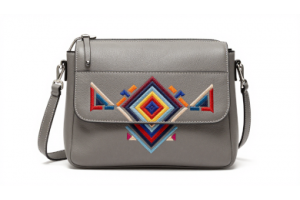
 Cross shoulder leather bag, hand stitched embroidery, bag, handbag, charcoalPKR 3,500.00 FREE SHIPPING IN PAKISTAN
 -
 Handmade Flower Embroidered Crossbody Shoulder BagPKR 6,500.00 FREE SHIPPING IN PAKISTAN
 -
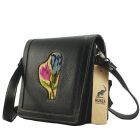 Handmade Flower Embroidered Small Crossbody Bag – BlackPKR 6,500.00 FREE SHIPPING IN PAKISTAN
 -
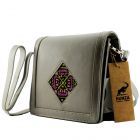 Handmade Flower Embroidered Crossbody Bag – Bright GrayPKR 6,500.00 FREE SHIPPING IN PAKISTAN
 -
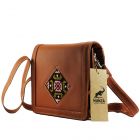 Handmade Flower Embroidered Crossbody Bag – Chocolate BrownPKR 6,500.00 FREE SHIPPING IN PAKISTAN