The Beauty of Aging Leather: Why Patina Makes Every Piece Unique
The Beauty of Aging Leather: Why Patina Makes Every Piece Unique
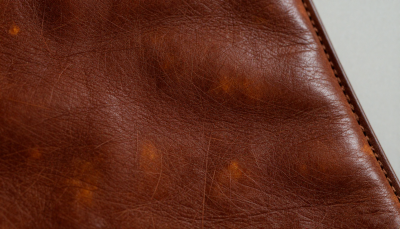
The beauty of aging leather lies in its ability to evolve over time. As genuine leather is used and cared for, it develops a natural patina—subtle changes in color, texture, and character that make every piece truly unique. Rather than losing value, high-quality leather improves with age, telling a personal story through wear, touch, and time. Patina is not damage; it is proof of authenticity, craftsmanship, and longevity.
Table Of Content
1. Introduction: The Natural Beauty of Aging Leather
Aging leather is a natural process that enhances beauty rather than diminishing it. With regular use, genuine leather softens, deepens in tone, and gains character. This transformation—known as patina—reflects how the leather has been used and cared for. Every mark and shade variation adds personality, making no two leather items ever look the same.
- Patina develops naturally with time and use
- Each leather piece ages differently
- Color and texture evolve gradually
- Aging adds character, not flaws
- Patina highlights genuine leather quality
Tip
To encourage beautiful patina, use your leather regularly and avoid over-polishing. Natural wear is what gives leather its unique aging story.
2. Why Patina Makes Leather Timeless
Patina is the reason leather never feels outdated. Instead of following trends, aged leather develops a classic, lived-in look that remains relevant for decades. The subtle richness created by time gives leather a depth that new materials simply cannot replicate.
- Timeless appeal: Aged leather never goes out of style.
- Natural elegance: Patina adds depth and warmth.
- Unique identity: No two pieces age the same.
- Classic character: Enhances long-term beauty.
- Enduring value: Improves with continued use.
3. Quality Leather and the Aging Process
Not all leather ages well. High-quality, full-grain leather develops patina gracefully because it retains the natural grain and fibers of the hide. Strong construction and skilled craftsmanship ensure the leather withstands daily use while aging beautifully.
- Full-grain strength: Best leather for patina.
- Durable fibers: Resist cracking and tearing.
- Skilled craftsmanship: Supports long-term aging.
- Natural flexibility: Softens over time.
- Lasting structure: Holds shape with use.
4. Character, Style, and Individuality
Aged leather carries personality. The marks, creases, and tonal shifts reflect real-life use, creating a look that feels personal and authentic. This individuality makes patina leather suitable for both casual and refined settings.
- Personal character: Reflects your lifestyle.
- Versatile style: Works for everyday and formal use.
- Authentic appearance: No artificial finishes.
- Visual depth: Richer than new leather.
- Effortless style: Beauty without perfection.
5. How Patina Develops Over Time
Patina forms gradually through exposure to light, touch, and movement. Instead of wearing out, quality leather adapts to its environment, becoming softer and more visually appealing as time passes.
| Feature | How It Changes Over Time |
|---|---|
| Color | Deepens and becomes richer. |
| Texture | Softens with regular handling. |
| Patina | Develops unique marks and tones. |
| Surface | Shows natural creases and polish. |
| Overall Look | Becomes more refined with age. |
6. Long-Term Value and Sustainability
Leather that ages well reduces the need for replacement. By choosing quality leather that develops patina, you invest in long-term use and responsible consumption. Well-made leather supports sustainability through durability and reduced waste.
- Extended lifespan: Designed to last decades.
- Reduced waste: Fewer replacements needed.
- Natural material: Ages without coatings.
- Responsible choice: Supports mindful buying.
- Long-term value: Beauty increases over time.
7. Conclusion: Why Patina Defines True Leather
The beauty of aging leather lies in its honesty. Patina tells a story of use, care, and craftsmanship. Rather than fading, genuine leather gains depth, character, and individuality over time. This is what sets true leather apart—each piece becomes uniquely yours.
8. FAQs
What is leather patina?
Leather patina is the natural aging effect that develops through use, exposure, and handling.
Is patina a sign of damage?
No. Patina is a sign of quality leather and natural aging, not wear or damage.
Which leather develops the best patina?
Full-grain leather develops the richest and most natural patina.
How long does it take for patina to appear?
Patina develops gradually and becomes noticeable after months or years of regular use.
Does patina increase leather value?
Yes. Well-developed patina often increases the visual and sentimental value of leather.
-
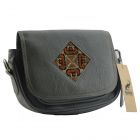 Cross shoulder leather bag, hand stitched embroidery, bag, handbag, charcoalPKR 3,500.00 FREE SHIPPING IN PAKISTAN
 -
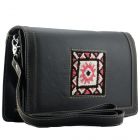 Handmade Flower Embroidered Crossbody Bag – Small Coal LeatherPKR 7,000.00 FREE SHIPPING IN PAKISTAN
 -
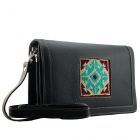 Handmade Flower Embroidered Crossbody Bag – CharcoalPKR 7,000.00 FREE SHIPPING IN PAKISTAN
 -
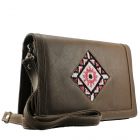 Handmade Flower Embroidered Crossbody Bag – Light BrownPKR 7,000.00 FREE SHIPPING IN PAKISTAN
 -
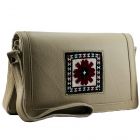 Handmade Flower Embroidered Crossbody Bag – WhitePKR 7,000.00 FREE SHIPPING IN PAKISTAN